A musty smell after a slow leak. A dark patch near a baseboard. A tenant who says the air feels wrong in one unit but fine in the next. That's usually when people start searching for mold testing services of oregon and trying to sort out what's urgent, what's cosmetic, and what needs documentation.
The hard part is that mold problems rarely arrive as neat, obvious events. They show up in bits. A bathroom that never fully dries. A warehouse wall with recurring staining. A clinic ceiling tile that keeps spotting after HVAC condensation. By the time you're looking for answers, you're often already dealing with stress, cleanup decisions, and questions from family, tenants, insurers, or maintenance staff.
A sound mold response in Oregon starts with clarity. You need to know when testing helps, when it doesn't, what the lab work tells you, and how to avoid getting stuck between inspectors, remediators, and insurance requirements. That's where a practical roadmap matters more than fear.
Do You Suspect Mold? When to Consider Professional Testing
It usually starts with a small uncertainty. You open a closet and catch a stale odor. You move furniture after a plumbing issue and find discoloration on the wall. A staff member in a commercial space mentions irritation that seems worse in one part of the building.
Those moments matter, but they don't all call for the same response. If you can already see obvious mold growth or smell a strong musty odor, the issue often isn't whether mold exists. The issue is how far it has spread, what moisture source is feeding it, and whether hidden contamination is present.
For some people, health concerns are part of the urgency. If you're trying to understand symptom patterns, especially broader concerns people associate with chronic fatigue from mold toxicity, it helps to separate medical questions from building questions. A qualified building investigation can identify moisture conditions, visible growth, and sampling results. It shouldn't promise a diagnosis.
Situations where testing is often worth considering
- After water intrusion: Roof leaks, plumbing failures, drainage problems, and condensation issues can all create the conditions mold needs.
- When odor persists without visible growth: Hidden mold behind walls, under flooring, or inside HVAC components may not be obvious at first.
- Before or after remediation: Testing can help define scope beforehand or support clearance decisions afterward.
- During disputes or documentation-heavy situations: Landlord-tenant conflicts, insurance claims, and real estate transactions often require a written record.
Practical rule: Testing is most useful when the answer will change what you do next.
If you're staring at a suspicious area and wondering whether it's time to move beyond wiping and waiting, this guide on when you need professional mold remediation is a helpful next step. The key is to act early enough that the problem stays manageable, but not so blindly that you pay for testing that doesn't answer the essential question.
Why Mold Growth Is a Serious Concern for Your Property
Mold isn't just a stain issue. It's a moisture problem with biological growth attached to it, and that combination affects both the building and the people using it.
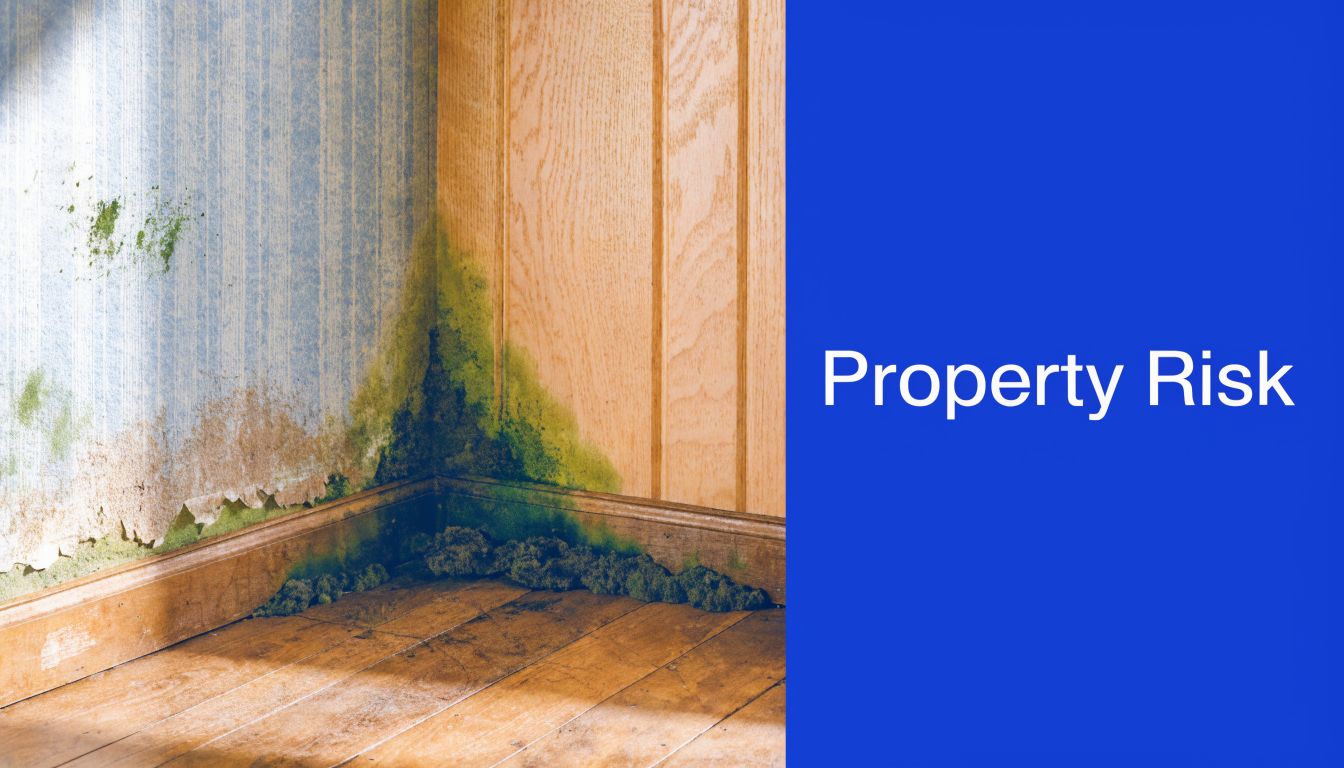
When porous materials stay damp, mold can colonize drywall, wood, insulation, carpet backing, ceiling materials, and contents. Even if the visible patch looks limited, the underlying moisture path may be wider. That's why experienced inspectors and remediators don't treat mold as a surface-cleaning problem alone.
What mold does to a building
A persistent mold condition often points to one of three building failures: water intrusion, high humidity, or poor drying after a loss. If that moisture source stays active, cleanup won't hold.
Property owners commonly run into these practical consequences:
- Material deterioration: Drywall softens, trim swells, insulation loses performance, and finishes break down.
- Recurring contamination: The same area discolors again because the moisture source was never corrected.
- Operational disruption: Tenants, patients, employees, or family members may need to avoid affected areas during investigation and remediation.
- Documentation pressure: Once mold is visible, owners often need records for insurers, buyers, landlords, or facility files.
Why occupants react differently
Not everyone responds the same way in a mold-affected space. Some people notice no immediate symptoms. Others are much more sensitive to airborne particles or damp indoor environments. In higher-risk settings such as long-term care, healthcare, and immunocompromised occupancy, that difference matters even more.
A mold problem becomes more serious when people keep focusing on the spot and nobody addresses the moisture.
That's one reason surface appearance can be misleading. A black patch isn't automatically worse than a green or white one, and color alone doesn't tell you species, activity, or risk. If you're trying to sort through the confusion around visible dark growth, this overview of black mold on walls helps explain what building owners should look for and what they shouldn't assume.
What doesn't work
A few responses almost always create delays:
- Painting over it
- Spraying fragrance or disinfectant and hoping the odor stops
- Cleaning visible growth without fixing the leak or humidity issue
- Letting maintenance treat it as a housekeeping task when hidden spread is possible
The right response is systematic. Find the moisture. Define the extent. Remove contaminated materials when needed. Dry the structure properly. Then confirm the work was completed.
A Guide to Professional Mold Testing Methods
Professional mold testing is useful when it answers a specific building question. Is mold airborne in occupied space? Is a stain fungal growth? Did contamination get into structural materials? Has cleanup returned conditions to normal background levels? Different tests answer different parts of that puzzle.
One of the most useful distinctions in Oregon practice is between viable and non-viable spores. Professional mold testing services in Oregon use standardized air sampling to measure spore concentration per cubic meter (m³), distinguishing between viable (living) and non-viable (dead) spores. To ensure valid results, they use a dual-sample method, comparing an interior sample with an exterior control sample to establish a baseline, with analysis performed by AIHA-LAP, LLC accredited laboratories.
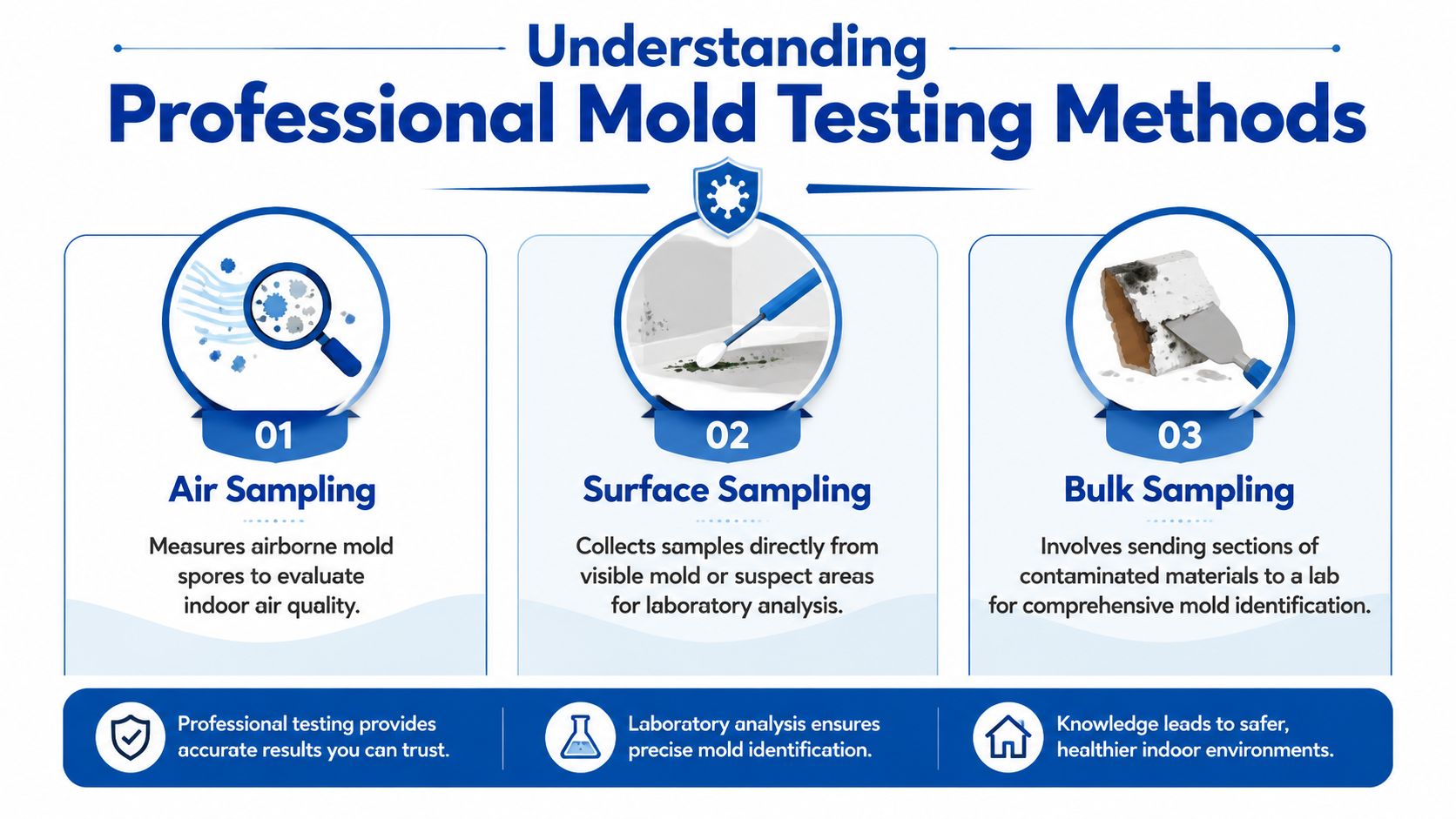
Air sampling
Air sampling looks at what's suspended in the breathing zone at the time of inspection. It's especially useful when occupants report odors, irritation, or room-to-room differences, but visible growth is limited or absent.
The exterior control sample matters because mold exists naturally outdoors. Without a baseline, an indoor number means very little. The comparison is what gives the result context.
Surface and bulk sampling
Surface sampling includes methods such as swabs or tape lifts. These are often used when there's visible discoloration and the inspector needs laboratory confirmation of whether the material is mold.
Bulk sampling goes one step further. It involves removing a piece of affected material for laboratory analysis. This can help when contamination appears embedded in drywall, insulation, subflooring, or other building components.
Testing should answer a decision. If the result won't change removal, containment, or documentation, it may not be the best use of your budget.
Comparison of Professional Mold Test Types
| Test Type | What It Measures | Best For | Limitation |
|---|---|---|---|
| Air sampling | Airborne spores in occupied space | Odor complaints, hidden contamination concerns, post-remediation comparison | Reflects conditions at the time of sampling |
| Surface sampling | Material present on a visible area | Confirming whether staining is mold | Doesn't show what's circulating in the air |
| Bulk sampling | Mold within a piece of material | Determining contamination in building materials | Requires removing material |
Why DIY kits often disappoint
DIY kits sound simple, but they usually create more confusion than clarity. Mold spores settle out of normal air all the time, so a home-grown culture plate doesn't reliably tell you whether a building has an abnormal contamination problem or where it's coming from.
Professional work adds the parts that matter most:
- A defined sampling plan
- A control comparison
- Chain of custody to a laboratory
- Interpretation tied to moisture and building conditions
If you're trying to understand whether you're dealing with mold, mildew, or a broader contamination issue, this breakdown of mold vs mildew vs biohazard mold what's the difference can help you frame the problem correctly before you authorize work.
Oregon's Stance on Mold and Key Testing Triggers
Oregon takes a practical position on mold. The state doesn't offer a simple indoor threshold that declares a home “safe” or “unsafe.” The Oregon Health Authority states that it is generally not helpful to test for mold to check a home's safety, as there are no standards for “safe” indoor mold levels. Instead, they recommend that visible mold or musty odors should be addressed, and they note that state and county health departments do not inspect private homes for mold, as explained in the Oregon Health Authority mold guidance.
That guidance is easy to misunderstand. It doesn't mean testing never has value. It means testing shouldn't be treated like a pass-fail health certificate. In Oregon, the value of professional inspection is usually risk assessment, source identification, scope definition, and documentation.
When a professional inspection is a smart move
There are some trigger events where inspection and testing make practical sense:
- Recent water damage: Especially when materials weren't dried promptly or moisture may have moved into concealed spaces.
- Persistent musty odor: Odor without obvious growth often points to hidden conditions.
- Commercial occupancy concerns: Offices, healthcare settings, rentals, and multifamily buildings need a defensible record.
- Post-remediation verification questions: Someone has cleaned or removed materials, but ownership wants confirmation that the job is complete.
- Disputes: Landlord-tenant issues, real estate transactions, and insurance claims often need third-party documentation.
What Oregon property owners should take from this
Don't chase a mythical “safe number.” Focus on what the building is telling you. If you have visible growth, moisture intrusion, or odor, the next step is not debate. It's investigation and corrective action.
For that reason, mold after leaks and flooding deserves special attention. Hidden dampness can remain active well after the visible water is gone. This overview of the hidden dangers of mold after water damage is useful if your concern started with a burst pipe, roof issue, appliance leak, or drainage event.
Finding a Trusted Mold Inspection Partner in Oregon
Choosing a provider is where many owners lose time. Oregon's mold services market is fragmented, with some firms advertising as test-only to avoid conflicts of interest, while others offer full remediation. That creates confusion about who pays for testing, what documentation insurers require, and when third-party clearance is necessary, as discussed in this overview of the fragmented Oregon mold services market.

Neither model is automatically wrong. The issue is fit. A test-only firm can be useful when you need independent documentation. A full-service remediation company can simplify coordination when the contamination source and removal scope are already clear. Problems start when no one explains the handoff points.
Questions to ask before you hire
- Who handles what: Ask whether the company only inspects, only remediates, or can coordinate both.
- What will the report include: You want written findings that connect moisture observations, affected areas, and any sampling performed.
- How is insurance documentation handled: Ask what photos, notes, and lab materials they provide if a claim is involved.
- When is third-party clearance recommended: In some situations, especially disputes or sensitive occupancies, independent post-remediation verification can be wise.
Trade-offs between test-only and full-service models
A test-only provider may reduce concerns about self-interest because they aren't selling removal. The downside is practical. Once the report arrives, the owner still has to find a separate remediation contractor, transfer the documentation, explain the scope, and make sure the cleanup team follows the findings.
A full-service provider can reduce those coordination gaps, but owners should still ask for transparency. The inspection findings need to be clear enough that the remediation scope is understandable, not just bundled into a vague proposal.
If multiple parties are involved, the owner needs one clean paper trail from inspection through final cleanup.
For some losses, especially where mold overlaps with broader environmental or hazardous cleanup concerns, providers such as 360 Hazardous Cleanup may be part of the conversation because they offer mold remediation and insurance coordination as part of wider environmental mitigation services. The right choice depends on the property type, the contamination scope, and whether you need independent testing, direct remediation, or both.
A short vetting checklist
Before signing anything, confirm these basics:
- Clear scope: The company should explain what they will inspect, sample, and document.
- Moisture-focused approach: If they can't discuss leak paths, humidity, or drying failures, they're missing the root issue.
- Written reporting: Verbal reassurance isn't enough when tenants, insurers, or buyers are involved.
- Professional communication: You should know what happens next if results confirm contamination.
If you want a broader framework for evaluating specialized cleanup providers under stress, this guide to finding and choosing a trusted cleanup partner what you need to know is a solid place to start.
What Happens During a Professional Mold Inspection
A good inspection feels methodical, not dramatic. The technician's job is to gather building evidence, not to alarm you.
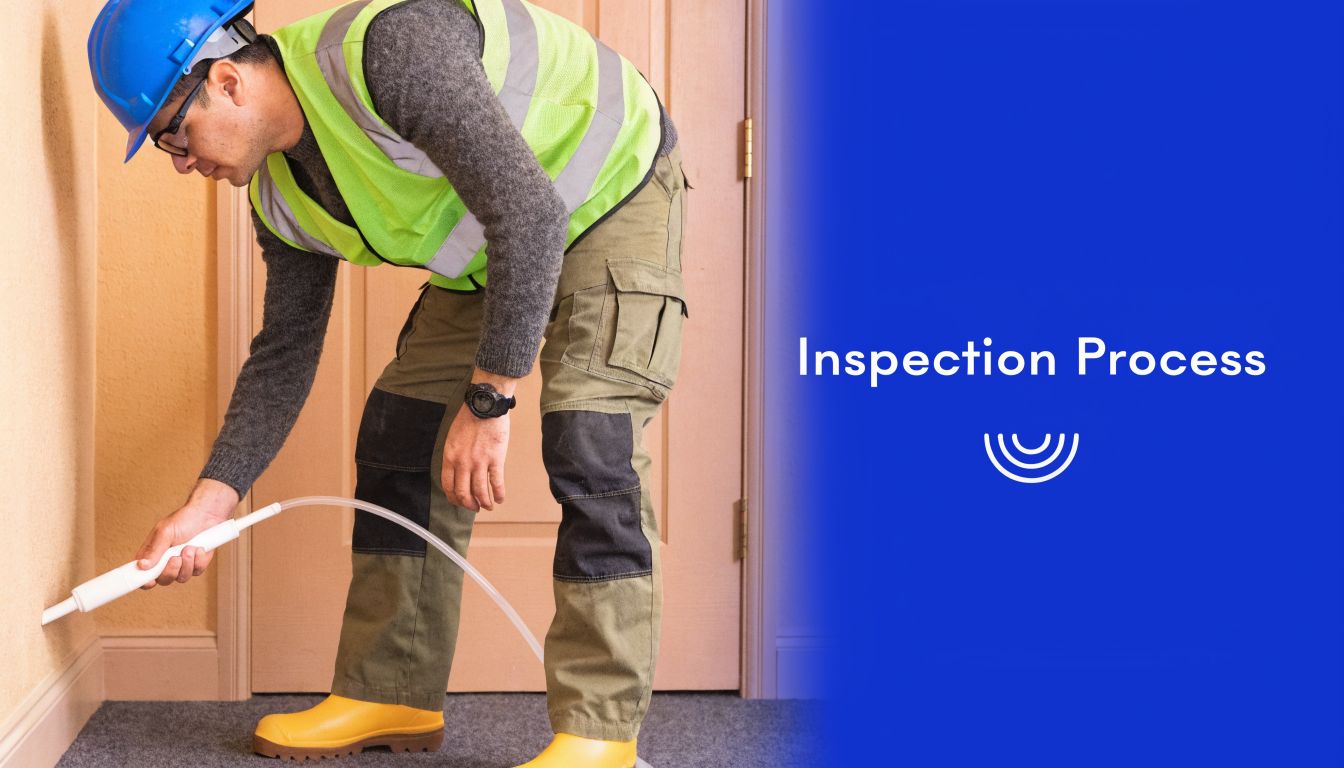
Most appointments begin with a conversation. The inspector asks what you've seen, when the odor started, where leaks occurred, what repairs were already attempted, and whether certain rooms feel different from others. In commercial settings, they may also ask about occupancy patterns, HVAC zones, maintenance logs, or prior water events.
Certified Oregon inspectors use a multi-modal approach, combining visual assessment with tools like moisture detection instruments to locate hidden water sources behind walls or under floors. This diagnostic process is critical for creating an effective remediation protocol and providing evidence for insurance claims, as described in this explanation of multi-modal mold inspection methods in Oregon.
What the inspector is looking for
The visible mold itself is only part of the inspection. A trained technician is usually trying to answer several questions at once:
- Where is the moisture coming from
- How far has it likely migrated
- Which materials are affected
- Whether hidden cavities or HVAC pathways may be involved
- What sampling, if any, will best document the condition
That's why inspections often include checking wall cavities, flooring transitions, window perimeters, utility penetrations, and ventilation conditions. In a warehouse or healthcare setting, the process may also include reviewing how air moves between spaces.
A short video can help make that field process easier to picture before the appointment:
What sample collection feels like on site
Sampling itself is usually brief. Air cassettes are collected in selected locations. Surface or bulk samples are taken if visible material needs confirmation. The key difference between a careful inspection and a rushed one is not speed. It's whether each sample ties back to a reasoned hypothesis about the building.
After collection, the samples are labeled and sent to the lab under documented handling procedures. You should also expect notes, photographs, and a written summary that connects what the inspector found to recommended next steps.
The best inspection reports don't just say mold was found. They explain where the moisture likely started, what areas are affected, and what kind of corrective work should follow.
From Test Results to Remediation and Recovery
A lab report is not the finish line. It's a decision document.
If results support active or widespread contamination, the next step is to match the findings to a remediation plan. That usually means correcting the moisture source first, isolating affected areas as needed, removing contaminated porous materials when appropriate, cleaning remaining surfaces with proper procedures, and drying the area thoroughly before rebuilding.
For owners dealing with insurance, tenants, or internal risk management, documentation becomes just as important as the physical cleanup. Keep the inspection report, photographs, contractor notes, moisture findings, invoices, and any post-remediation records together. If another party later asks what was done, you'll want a clean timeline and a consistent file.
What owners often miss after the report
- Moisture correction comes first: If the leak, humidity source, or ventilation failure remains, mold will likely return.
- Not every situation needs the same clearance approach: Some projects call for third-party verification, especially in disputes or sensitive occupancies.
- Cheap cleanup can become expensive rework: If the underlying conditions aren't corrected, owners pay twice.
If you're evaluating contractors after results come in, this practical guide to essential mold cleanup hiring advice is a useful companion to the inspection process. The best outcomes usually come from teams that can communicate clearly, document carefully, and follow a containment-first, moisture-first approach rather than treating mold as a cosmetic cleaning issue.
Recovery is possible, and it's usually more straightforward once the problem is defined correctly.
If you need help interpreting a mold situation, planning safe cleanup, or coordinating documentation for insurance and property recovery, 360 Hazardous Cleanup can help you understand the next step and move the project forward with a clear, compliant remediation process.