You’ve probably landed here because you’re dealing with one of two very different situations. It might be a small spot on a shirt, sheet, or towel. Or it might be blood on carpet, furniture, flooring, drywall, or another surface after an accident, medical event, or trauma.
Those are not the same cleanup job.
A minor household stain can often be handled at home if you work carefully and quickly. Larger blood contamination is a biohazard issue, not a laundry problem. The method changes, the safety requirements change, and the consequences of getting it wrong change with it. If you want to know how to remove blood stain safely, the first step is understanding which situation you’re facing.
Understanding the Scope of a Blood Stain
A blood stain tells you two things at once. First, there’s a visible cleaning problem. Second, there may be an exposure problem.
That distinction matters. A few drops from a shaving cut on a washable shirt usually call for basic stain treatment. Blood on carpet padding, grout, concrete, office flooring, mattresses, or blood-soaked materials after an injury can involve deeper contamination, odor, pathogen risk, disposal requirements, and in some settings, workplace compliance issues.
Most online advice stays in the laundry lane. That’s part of why people get into trouble. Existing online guidance focuses heavily on simple home stains, while leaving a major gap for families, facility managers, and property owners facing larger contamination. One cited summary notes a 15% rise in industrial biohazard incidents, and 40% of facility managers said inadequate online guidance delayed proper remediation, according to this referenced overview on blood stain removal guidance gaps.
What to assess before you clean
Use a simple triage mindset:
- Surface type matters: Washable fabric behaves very differently from carpet, upholstery, concrete, wood, grout, drywall, or subflooring.
- Volume matters: A pinpoint stain is one thing. Any larger spill, pooling, soak-through, or transfer to multiple surfaces needs a more cautious response.
- Source matters: A sports injury or nosebleed is not the same as an unattended death, traumatic injury, or scene involving unknown medical status.
- Age matters: Fresh blood is easier to remove from fabric. Dried blood often bonds more stubbornly and can migrate into porous materials.
- Setting matters: In a home, the concern may be family exposure. In a workplace, clinic, warehouse, or rental property, you may also be dealing with documentation, liability, and regulated disposal.
Practical rule: If blood has soaked into a porous building material or the event involves trauma, don’t treat it like routine housekeeping.
Household stain or biohazard scene
A useful dividing line is this: if your goal is only cosmetic stain removal, home methods may be enough for a small washable item. If your goal is to make the area biologically safe, appearance alone doesn’t tell you enough.
That’s where many DIY attempts fail. Blood can move below the surface, especially in carpet, seams, padding, grout lines, textured flooring, and absorbent materials. A surface can look clean while still needing disinfection, containment, and proper waste handling.
Safety First Your Non-Negotiable First Steps
Before you reach for peroxide, detergent, or any household product, protect yourself first. Blood should always be treated as potentially infectious.
Pathogens such as hepatitis B can survive on surfaces for up to 7 days, and improper bleach use can also interfere with luminol testing in some circumstances, according to the forensic study indexed on PubMed. For a homeowner, that means you shouldn’t assume a dry stain is harmless. For a business or care facility, it means your staff shouldn’t improvise.
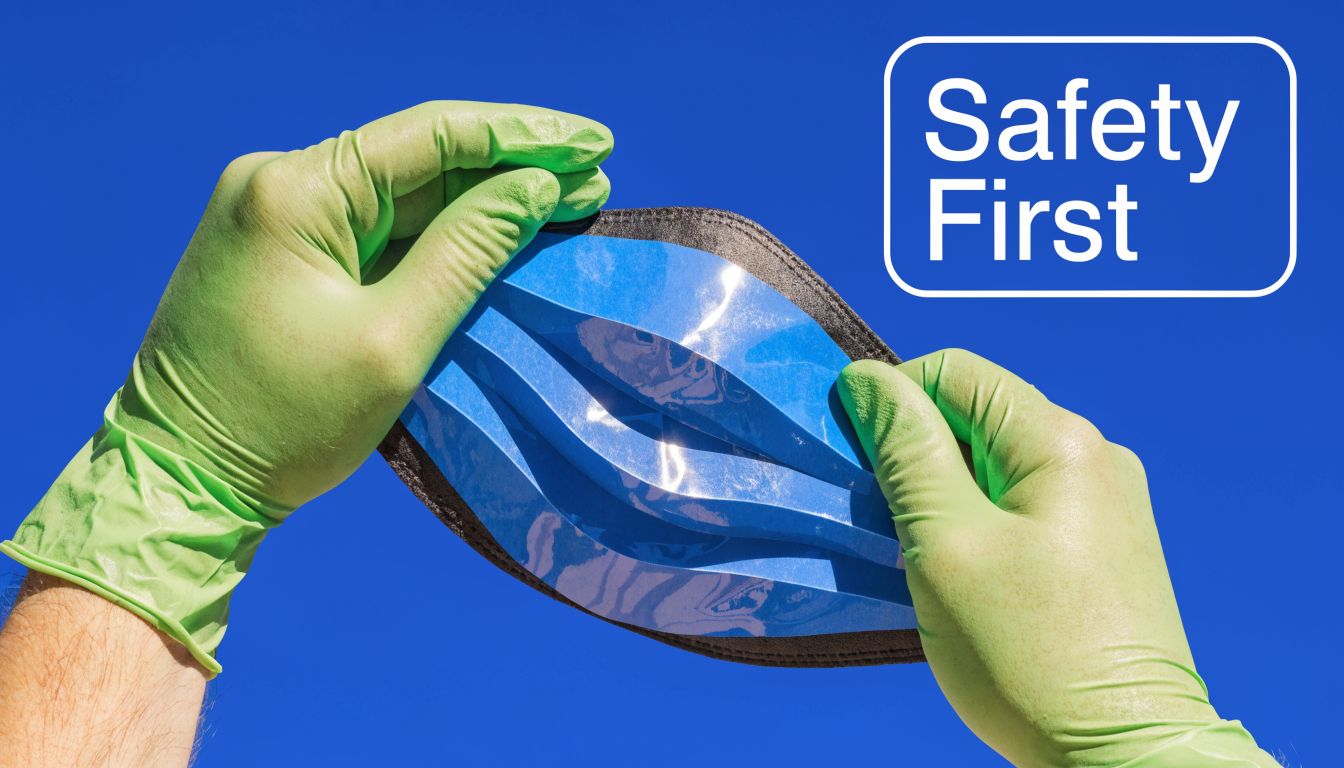
Put on protection before touching the area
At minimum, use:
- Disposable gloves: Keep blood off your skin and reduce transfer to other surfaces.
- Eye protection: Important if you’re blotting, rinsing, or using any liquid cleaner that can splash.
- A face covering if there’s splash risk: Especially in larger cleanups or when handling contaminated materials.
- Dedicated cleaning cloths or paper towels: Don’t use your regular kitchen sponge or multi-use rag.
For a deeper look at protective gear standards in this type of work, 360 Hazardous Cleanup has a useful overview on the role of PPE in ensuring safety during biohazard cleanup.
Set up the area so you don’t spread contamination
A lot of bad cleanups happen because people move too fast. They wipe, carry, scrub, and track contamination into other rooms.
Do this first:
- Limit traffic around the area. Keep kids, pets, staff, or bystanders away.
- Gather supplies before starting. That prevents walking around with contaminated gloves.
- Work from the outside of the stain inward. That helps reduce spreading.
- Bag disposable contaminated items right away. Don’t leave used towels or gloves lying around.
- Wash hands thoroughly after glove removal. Even careful glove use isn’t a substitute for hand hygiene.
If you have any reason to think the blood is tied to a crime, assault, unexplained injury, or death, stop cleaning and get direction from the appropriate authorities first.
What not to do first
Don’t start with bleach just because it smells strong. Don’t scrub aggressively. Don’t kneel into contamination with bare skin exposed. And don’t assume that if the stain looks small, the risk is small.
The visible stain is only one part of the job. Your first responsibility is preventing exposure and cross-contamination.
Removing Blood Stains from Clothing and Fabrics
For shirts, sheets, towels, washable uniforms, and similar items, the best approach is controlled and simple. Blood is a protein stain, so heat makes your job harder. The safest starting point is cold water, patience, and the right treatment order.
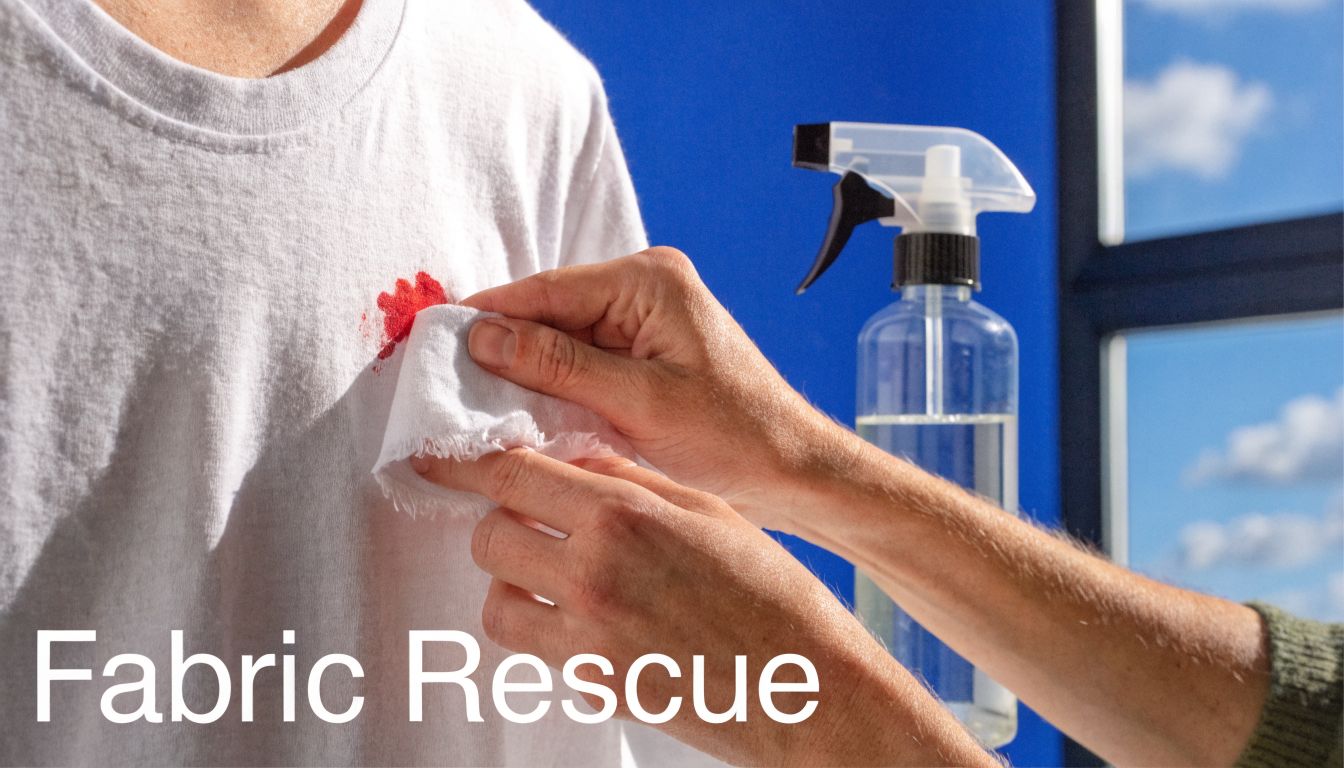
For professional context on handling blood contamination before it becomes a bigger issue, 360 Hazardous Cleanup also outlines a broader procedure for cleaning blood spills.
The method that works on washable fabric
A verified care guide notes that an enzymatic and oxidative process is most effective for washable fabrics. Using an enzyme-based detergent with 3% hydrogen peroxide can achieve 90% to 95% complete removal on cotton if treated within 72 hours, while hot water can reduce efficacy by as much as 80% because it coagulates blood proteins, according to the University of Georgia Extension guidance summarized here.
That lines up with what works in practice. Keep the process in order.
Step 1
Brush or shake off any loose dried residue gently. A soft toothbrush works better than aggressive scraping on most fabrics.
Step 2
Soak the stained area in cold water for 30 to 60 minutes. If the water becomes heavily discolored, change it.
Cold water helps loosen soluble blood components without setting them deeper into the fibers.
Step 3
Blot on 3% hydrogen peroxide with a clean cloth. Let it sit briefly, then blot again. On stubborn dried stains, you may need repeated applications.
Test dark or dyed fabrics first in an inconspicuous area, because peroxide can lighten color.
Step 4
Apply an enzyme-based detergent and work it gently into the fabric. A soft brush is usually enough. Let it sit so the enzymes can break down remaining protein residue.
Step 5
Rinse thoroughly, then launder according to the garment label, keeping temperatures below the heat range that can set the stain.
Field note: If the stain is still visible after washing, don’t machine dry it. Air dry, inspect, and repeat treatment if needed.
A quick visual walkthrough can help if you’re treating a common household fabric stain:
Fresh stains and dried stains need slightly different handling
| Situation | Best first move | Main risk |
|---|---|---|
| Fresh blood on fabric | Flush or soak with cold water right away | Rubbing it deeper into fibers |
| Dried blood on fabric | Loosen residue, then cold soak before treatment | Trying to force it out with heat |
| Dark or delicate fabric | Test peroxide first, lean on enzyme cleaner | Color loss or fabric damage |
| Heavy saturation | Assess whether disposal is safer than cleaning | Retained contamination in seams or fill |
Common mistakes on clothing and linens
- Using hot water first: This is one of the fastest ways to set a blood stain.
- Scrubbing too hard: It frays fibers and spreads the stain.
- Drying too soon: Heat can lock in a faint shadow that might have come out with one more treatment.
- Treating heavily contaminated items like normal laundry: If an item is saturated, mixed with other bodily fluids, or tied to a trauma event, disposal or professional handling may be more appropriate than home washing.
For routine spots on washable items, this process is usually enough. For anything soaked through, emotionally difficult to handle, or connected to a serious event, it often isn’t.
Treating Blood Stains on Carpet and Upholstery
Carpet, upholstery, mattresses, and other soft furnishings are less forgiving than clothing. The visible spot is often only the top layer. Blood can wick sideways through fibers and downward into padding, backing, seams, and cushioning.
That’s why surface wiping often leaves people with a stain that keeps returning, a lingering odor, or a clean-looking area that was never fully dried.
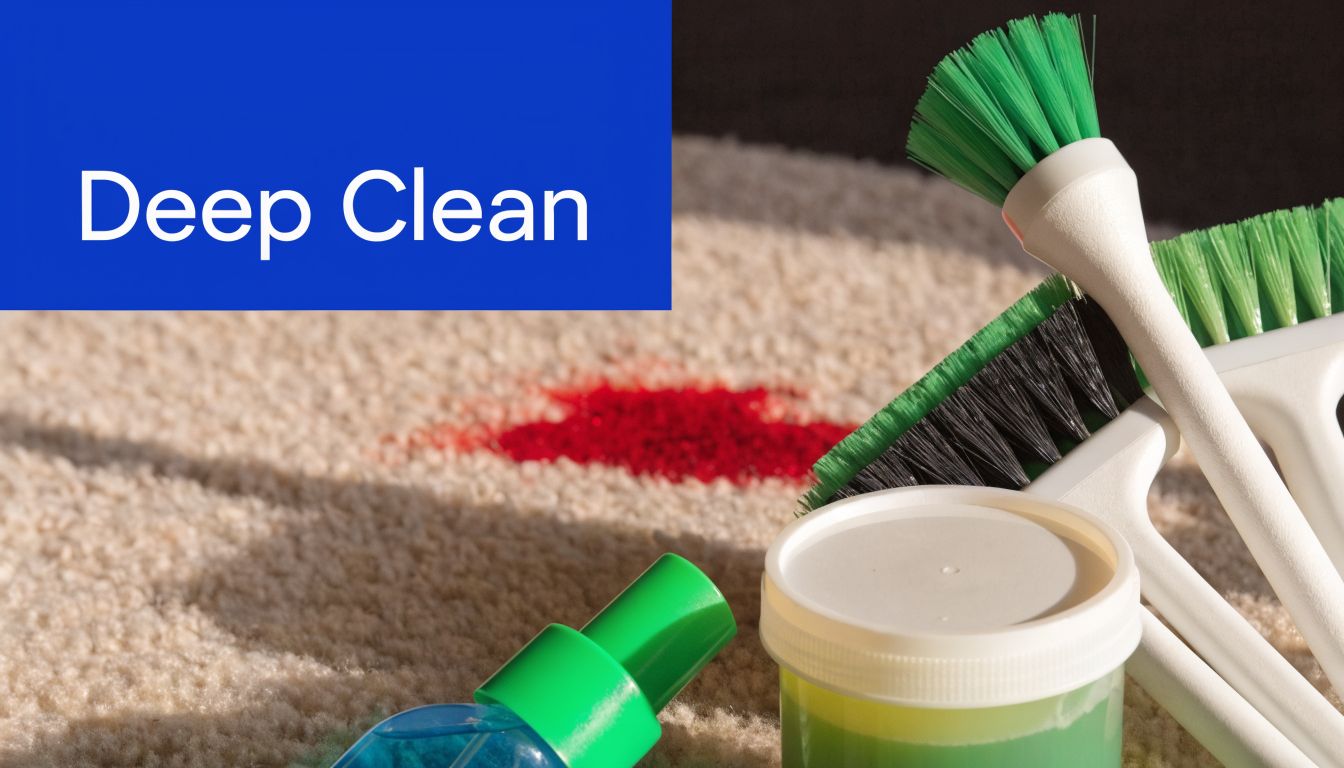
What works on porous soft surfaces
For dried blood on synthetic carpet, a verified household method uses a 1:1 baking soda-water paste followed by white vinegar spray. That approach can achieve 85% to 92% success on synthetic carpets if treated within a week. The same source notes that 25% of DIY failures come from incomplete drying that leads to mold, and that using vinegar on fresh blood can reduce efficacy by 50% because it can set the stain, according to this industry-style carpet stain guide.
The order matters.
A careful process for carpet and upholstery
Start dry if the blood is dried
Vacuum loose, flaked material first. Don’t begin by saturating the area. Removing dry residue before wet treatment helps keep contamination from turning into a muddy smear.
Blot with mild detergent solution
Use a white cloth and blot with water and a small amount of mild detergent. Press down. Lift. Repeat. Don’t rub.
Use the paste method for older stains
Apply a 1:1 baking soda-water paste over the stain. Let it sit briefly. Then spray white vinegar to create the lifting fizz reaction and blot away what rises.
Use peroxide selectively on light materials
If the carpet or fabric is light colored, 3% hydrogen peroxide may help with residual discoloration. Test first.
Dry the area completely
Many home jobs often fail here. Fans, airflow, and dry towels help. If the padding underneath is wet, the job isn’t done.
Upholstery and carpet don’t just need stain removal. They need moisture control.
For broader remediation context, this guide from 360 Hazardous Cleanup on the blood cleaning and removal process is useful if you’re trying to decide whether a soft-surface cleanup is still manageable.
When soft-surface cleanup gets risky
Some surfaces are poor candidates for DIY blood removal, even if the stain doesn’t look dramatic.
- Mattresses and cushions: They absorb thoroughly and dry slowly.
- Carpet over pad: The top may improve while the pad remains contaminated.
- Wool or delicate upholstery: Stain removal can damage dye or texture.
- Repeated reappearance of the stain: That usually means the blood migrated below the surface.
If the affected area includes nearby hardwood transitions or subfloor concerns, general floor-care resources can help you think about moisture migration and surface sensitivity. For adjacent flooring issues, Savera Wood Floor Refinishing pet stain tips offer practical reminders about how quickly organic stains and trapped moisture can affect wood materials.
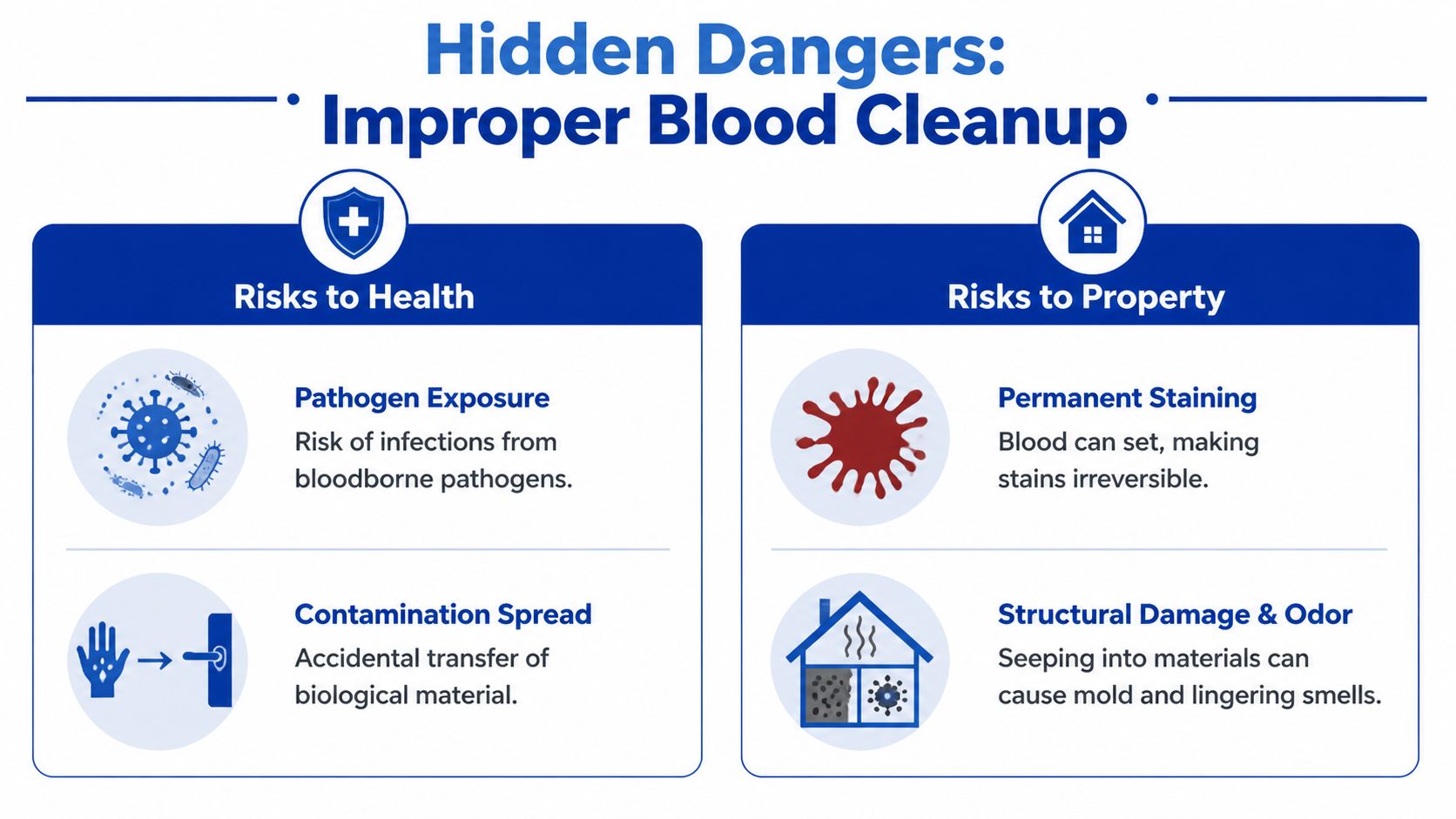
The Hidden Dangers of Improper Blood Cleanup
The biggest mistake people make is assuming that if they can’t see blood anymore, they removed it. Those are not the same thing.
Some cleaners don’t just lift a stain. They can alter how blood reacts to testing while leaving people with a false sense of safety. That matters in homes, rentals, workplaces, and care environments. It matters even more when the contamination reached porous materials.
Clean-looking is not the same as decontaminated
A forensic study found that modern active oxygen household cleaners can make blood undetectable by standard presumptive tests after a single warm-water wash. In that study, 0% of blood stains were detectable after washing with an oxygen cleaner in warm water, according to the Science News report summarizing the 2010 forensic findings.
For an ordinary reader, the takeaway is straightforward. A product can remove the visible problem while creating a false impression that the material is fully dealt with.
What goes wrong in real cleanup attempts
The common failures aren’t dramatic. They’re ordinary.
| Problem | What people do | What it can leave behind |
|---|---|---|
| Surface-only cleaning | Wipe the top and stop | Contamination in padding, seams, grout, or subfloor |
| Overwetting | Pour on product repeatedly | Trapped moisture, odor, and secondary damage |
| Aggressive scrubbing | Rub hard to “lift” the stain | Spread, fiber damage, and deeper penetration |
| Wrong chemistry | Use whatever cleaner is nearby | Cosmetic removal without reliable decontamination |
A larger concern is that blood cleanup often involves more than stain removal. It can involve disposal, disinfection, material removal, and verification that the area is safe for use again. That’s why trauma scenes, industrial accidents, and bodily fluid events are handled differently from normal janitorial work.
Why larger scenes need a different standard
If blood reached drywall, concrete joints, unfinished wood, grout, baseboards, floor transitions, or equipment crevices, a rag and spray bottle won’t tell you what remains. The same is true if the event involved unknown medical status, delay before discovery, or significant volume.
For a closer look at what failed remediation can lead to, 360 Hazardous Cleanup has a practical resource on what happens if you don’t properly clean a biohazard scene.
You’re not just removing a stain. You’re deciding whether people can safely return to that space.
When to Call for Professional Biohazard Cleanup
Some blood stains are laundry problems. Some are restoration problems. Some are regulated biohazard scenes.
You should stop DIY cleanup and call a professional if any of the following are true:
- The blood volume is more than minor: If it’s more than a small isolated spot, the risk changes quickly.
- It soaked into building materials: Drywall, subfloor, grout, insulation, unfinished wood, concrete, or carpet pad often require more than surface treatment.
- The event involved trauma or death: These situations need containment, disinfection, disposal, and documentation handled correctly.
- You suspect infectious exposure: Unknown source blood should always be handled cautiously.
- The area is a workplace, rental, medical setting, or public-facing property: Compliance and liability matter as much as cleanup.
- You can’t emotionally do the work: That’s a valid reason. People often need distance from a traumatic scene.
When evaluating disinfectants and supplies for serious contamination, it helps to understand what EPA/OSHA compliant products look like in practice. Product labels still don’t replace trained remediation, but they do show why this work is more technical than ordinary cleaning.
If you need a plain-language overview of why these situations shouldn’t be handled like regular housekeeping, 360 Hazardous Cleanup explains it clearly in what biohazard cleanup is and why you should always hire a professional.
A qualified biohazard team handles containment, PPE, removal of non-salvageable materials, disinfection, waste transport, and the practical reality that families, tenants, employees, and managers often need the space made safe fast and handled discreetly. 360 Hazardous Cleanup is one option for that kind of work, including trauma scenes, industrial accidents, unattended deaths, and other bloodborne contamination events.
If you’re facing blood contamination that goes beyond a simple washable stain, 360 Hazardous Cleanup provides compassionate biohazard remediation with a focus on safety, discretion, and regulatory compliance. When the situation involves trauma, porous materials, workplace exposure, or an emotionally difficult scene, bringing in trained help protects both people and property.