You notice a dark patch near a baseboard, or maybe you keep catching a musty smell when the air conditioner turns on. That moment can be unsettling. It's often unclear whether you’re looking at a minor moisture issue, a hidden leak, or a contamination problem that needs immediate professional attention.
Mold also creates a special kind of stress because it feels invisible even when you can see it. You start wondering what’s behind the wall, what’s moving through the air, and whether the people in the building are being affected. Homeowners worry about children, older relatives, and damage to the house. Property managers and facility teams worry about tenant complaints, documentation, and whether the HVAC system has become part of the problem.
The reassuring truth is that mold is common, and it’s manageable when you approach it methodically. Approximately 70% of homes in the United States contain some form of mold, with over 45 million buildings exhibiting unhealthy levels, which shows how widespread indoor mold is across both homes and larger properties, according to these mold prevalence findings.
That number doesn’t mean every mold issue is a crisis. It means you’re not dealing with something rare or mysterious. Mold follows moisture. If you identify where the water is coming from, understand what type of mold conditions you’re seeing, and use the right containment and remediation process, the situation becomes far more predictable.
Some readers are dealing with a bathroom ceiling spot after a leak. Others are responsible for warehouses, clinics, offices, or long-term care spaces where mold may be spreading through ducts, insulation, carpet, or wall systems. The basic science is the same, but the stakes can be very different. In a commercial or healthcare setting, contamination often intersects with air handling, occupancy, compliance, and operational continuity.
This guide explains the different types of mold in homes, how to recognize the common varieties, what health concerns matter most, how testing works, what you can safely do right away, and when professional remediation becomes necessary. The goal is simple. Replace guesswork with a calm, informed plan.
Introduction The Unwelcome Discovery of Mold
What people usually notice first
Most mold problems don’t begin with a dramatic black patch climbing up a wall. They begin with something small and nagging. A closet smells stale. Paint bubbles near a window. A tenant mentions that one room feels damp. A maintenance team spots discoloration around a vent after a plumbing incident.
Those early signs matter because mold is usually a moisture story first and a visible growth story second. By the time you can clearly see a colony, water has often been present long enough to support growth on drywall, wood, insulation, paper backing, carpet, or dust.
People also get tripped up by appearance. They assume black means dangerous and white means harmless. That’s not a safe rule. Mold can appear black, green, brown, gray, or white depending on the species, the surface, and the growth stage.
A musty odor without visible growth is still a warning sign. In many buildings, the hidden moisture source matters more than the color of what you can see.
Why mold is so common indoors
Indoor environments give mold what it wants when moisture lingers. A slow plumbing leak, poor bathroom ventilation, roof intrusion, condensation on cold surfaces, or flood-related dampness can all create the conditions mold needs.
This is why mold shows up in very ordinary places:
- Bathrooms and kitchens: Steam, splash zones, and hidden plumbing leaks keep these areas damp.
- Basements and crawl spaces: These areas often stay cooler, darker, and more humid.
- Windows and exterior walls: Condensation and envelope leaks can feed growth behind trim or paint.
- HVAC systems: Dust and moisture can turn coils, insulation, and duct interiors into distribution pathways.
- Commercial interiors: Carpet, ceiling tiles, ductwork, and porous wall assemblies can hold moisture after a leak or flood event.
Many homeowners feel embarrassed when they find mold, as if it proves neglect. Usually it doesn’t. Mold is often the result of a building condition, a water event, or a ventilation issue that wasn’t obvious at first.
Why a calm response matters
Panic leads people to scrub aggressively, spray household chemicals, or run fans that spread spores into other rooms. A better approach is to slow down, reduce disturbance, and think like an investigator. Where is the water? What materials are affected? Is the contamination localized, recurring, or tied to the air system?
That same mindset applies in homes and in larger facilities. The difference is that in offices, warehouses, hospitals, and care settings, building managers also have to think about occupant safety, scheduling, and compliance. Mold isn’t just a maintenance task there. It can become an indoor air quality and operations issue.
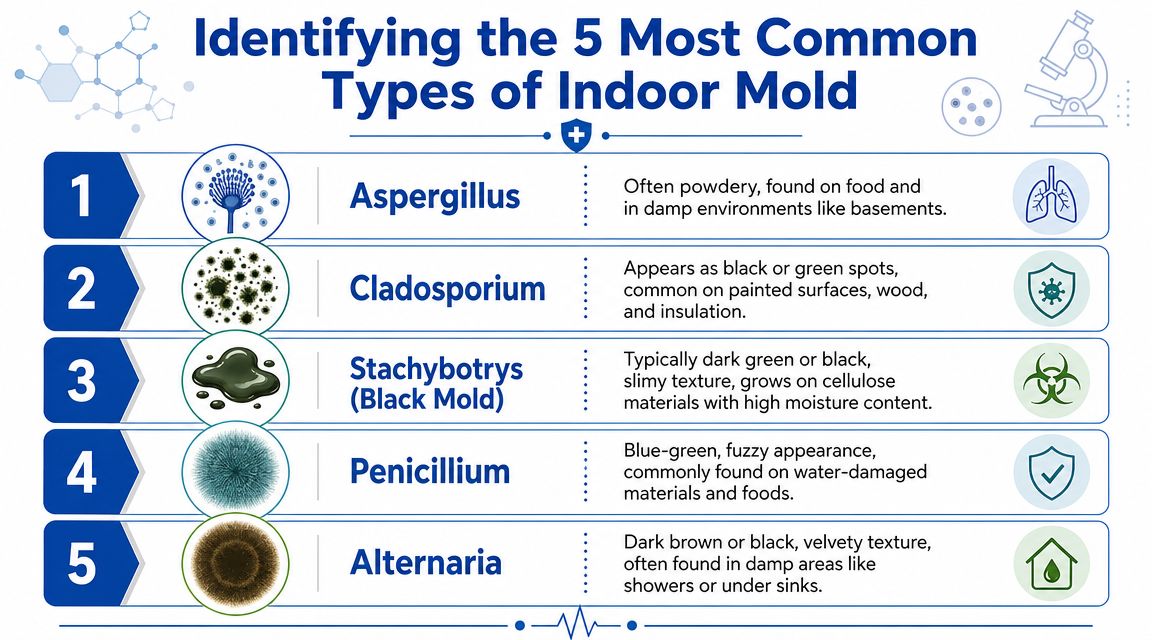
Identifying the 5 Most Common Types of Indoor Mold
Once mold is visible, the next question is usually, "What kind is it, and how worried should I be?" That is a reasonable question. The answer starts with identification, but it should always stay connected to the bigger picture: where the mold is growing, what stayed wet, and whether the contamination is affecting living space, work areas, or the air system itself.
In a house, that may mean checking drywall, trim, or a damp closet. In an office, warehouse, school, or medical facility, the same question can extend into ceiling plenums, duct liners, coils, insulation, and other hidden building systems. Species names matter, but moisture history and spread matter just as much.
Common Indoor Mold Identification Chart
| Mold Type | Common Appearance | Where It's Found | Potential Risk |
|---|---|---|---|
| Stachybotrys chartarum | Dark green to black, often slimy when active | Wet drywall, paper-faced materials, wood, fiberboard | Higher concern on heavily water-damaged materials and should not be disturbed casually |
| Aspergillus | Powdery or dusty, often green, white, yellow, or darker with age | Dusty vents, insulation, walls, food, paper, HVAC areas | Important indoor air concern, especially for people with respiratory sensitivity |
| Cladosporium | Dark spots or patches, often olive, brown, or black-green | Painted surfaces, wood, textiles, insulation, HVAC areas | Common allergenic mold that can persist in warm or cool conditions |
| Penicillium | Blue-green or green, often fuzzy | Water-damaged wallpaper, carpets, fabrics, mattresses | Spreads readily on damp porous materials and often carries a strong odor |
| Alternaria | Dark, velvety patches | Showers, under sinks, around windows, damp bathrooms | Often associated with dampness and allergy-type reactions |
Stachybotrys and why black mold gets so much attention
Stachybotrys chartarum, often called black mold, tends to grow on cellulose-rich materials such as drywall paper, wood, and fiberboard after prolonged moisture exposure. It is known for its dark color and wet, slimy appearance while actively growing.
That description causes a lot of confusion. Many dark molds are not Stachybotrys, and many black stains are not mold at all. Accurate identification comes from inspection, moisture findings, and, in some cases, sampling.
The reason professionals treat suspected Stachybotrys carefully is simple. It often appears where materials have stayed wet long enough for deeper damage to develop, and disturbing those materials can release contaminated particles into the air. If you want a closer look at how this growth can appear indoors, this guide on black mold on walls adds helpful context.
A good rule for homeowners and facility managers is to avoid judging mold by color alone.
Aspergillus and why it matters in the air
Aspergillus is one of the molds indoor environmental professionals pay close attention to because it can become airborne easily. It often appears powdery rather than slimy, and it may grow in dust, insulation, building materials, and HVAC components where fine particles can move with air currents.
That changes the risk calculation. A small patch on a basement box is one situation. Growth inside a return duct, above a suspended ceiling, or near air handling equipment is another because the building can help distribute what the mold releases.
This is one reason commercial, industrial, and healthcare settings require a more controlled response. In those environments, managers may need to address occupant exposure, containment, work timing, and documentation alongside the cleanup itself. 360 Hazardous Cleanup approaches those jobs with the same building-science mindset used in residential work, but with added attention to operations and sensitive environments.
Cladosporium, Penicillium, and Alternaria in everyday settings
Cladosporium is common indoors because it tolerates a wide range of temperatures. It often shows up as dark spotting on painted surfaces, wood, textiles, or materials near HVAC airflow. People frequently mistake it for dirt because it can look flat and patchy rather than thick and dramatic.
Penicillium is another frequent indoor mold after leaks or humidity problems. It commonly appears fuzzy and blue-green on porous materials such as wallpaper, carpet, stored fabric, and upholstery. If a room smells musty after water damage, Penicillium is often one of the suspects inspectors consider.
Alternaria is often found in damp bathrooms, around windows, under sinks, and in other places where condensation or minor leaks keep returning. Its texture is often velvety, and its appearance can stay subtle until the moisture problem has been present for some time.
Why identification is only the starting point
Identifying the likely mold type helps you ask better questions. It does not tell you, by itself, how far contamination has spread or what the correct cleanup plan should be.
A patch on tile grout is different from growth inside a wall cavity. A colony on stored cardboard is different from contamination on fiberglass duct liner or inside a fan-powered unit serving patient rooms, offices, or tenant suites. The species name is one piece of the puzzle. The full assessment also includes moisture source, affected materials, air movement, occupant sensitivity, and whether the building system is helping the mold travel.
Understanding the Health Risks Associated with Mold Exposure
Health concerns are where mold conversations often swing too far in one of two directions. Some people dismiss mold as just a cosmetic nuisance. Others assume any visible mold is an emergency. Neither view is very helpful.
The better approach is to think in terms of exposure, location, and vulnerability. A small visible patch in an isolated area is different from contamination inside a return plenum. A healthy adult may react differently than a child with asthma, an older adult, or a patient in a medical setting.

What mold exposure can feel like
Many people first notice symptoms that resemble allergies or irritation. They may feel nasal congestion, coughing, throat irritation, watery eyes, or an increase in asthma symptoms when they spend time in a certain room or building.
That pattern can be easy to overlook. People often blame dust, seasonal pollen, or cleaning chemicals. If symptoms improve when they leave the environment, that’s an important clue worth investigating.
For some molds, the concern goes beyond irritation. Disturbing contaminated materials can release spores, fragments, and, in some cases, toxins or other biologically active particles. This is one reason improper DIY removal can make a situation worse.
Aspergillus and higher-risk environments
Aspergillus species comprise 40 to 60% of residential indoor air quality samples, and exposure above 500 conidia/m³ is linked to a 25 to 40% heightened risk of allergic rhinitis and asthma attacks. In hospitals, invasive aspergillosis is a major threat, with 30 to 50% mortality in neutropenic patients, according to this Aspergillus exposure and health benchmark overview.
That data helps explain why remediation standards become stricter when a building houses medically fragile people. A mold issue in a family bathroom is one thing. A mold issue near patient areas, behavioral health spaces, long-term care rooms, or clinic HVAC systems is another.
This also explains why water damage can’t be treated as “just drying things out later.” Hidden moisture can become an indoor air problem before people realize what’s happening. For a deeper look at how water intrusion changes the health picture, this resource on the hidden dangers of water damage, mold, mildew, and other health hazards lays out the connection clearly.
People don’t have to see mold to be affected by a mold problem. Airflow and disturbance can carry exposure beyond the original wet area.
Who counts as vulnerable
The term vulnerable population isn’t just technical language. It describes the people most likely to have a harder time with exposure.
That often includes:
- Infants and young children: Their respiratory systems are still developing.
- Older adults: They may have lower resilience or existing health conditions.
- People with asthma or allergies: Even common molds can trigger symptoms.
- Immunocompromised individuals: They face a higher risk from pathogenic molds.
- Patients in healthcare settings: Exposure thresholds matter more when health is already compromised.
For property managers and employers, this matters because the same visible mold patch can represent very different levels of risk depending on who occupies the building.
Why professional handling protects health
Mold remediation is not just “cleaning until it looks better.” The process is meant to reduce exposure during the work itself. That means controlling dust, isolating the work zone, protecting adjacent areas, removing contaminated porous materials when needed, and verifying that conditions have improved.
That’s especially important when contamination is inside wall cavities, above ceiling systems, or within HVAC components. In those situations, the main hazard isn’t just what’s on the surface. It’s what gets released when someone cuts, scrubs, tears out, or turns the air system back on.
Practical Guidance for Mold Detection and Testing
Individuals often look for a simple answer to a simple question. “Do I have mold?” The challenge is that mold detection is part observation, part building science, and sometimes part sampling.
The first stage is low-tech. You use your senses and your building history. The second stage becomes more technical when the source isn’t obvious, the contamination may be hidden, or the building has higher health or operational stakes.
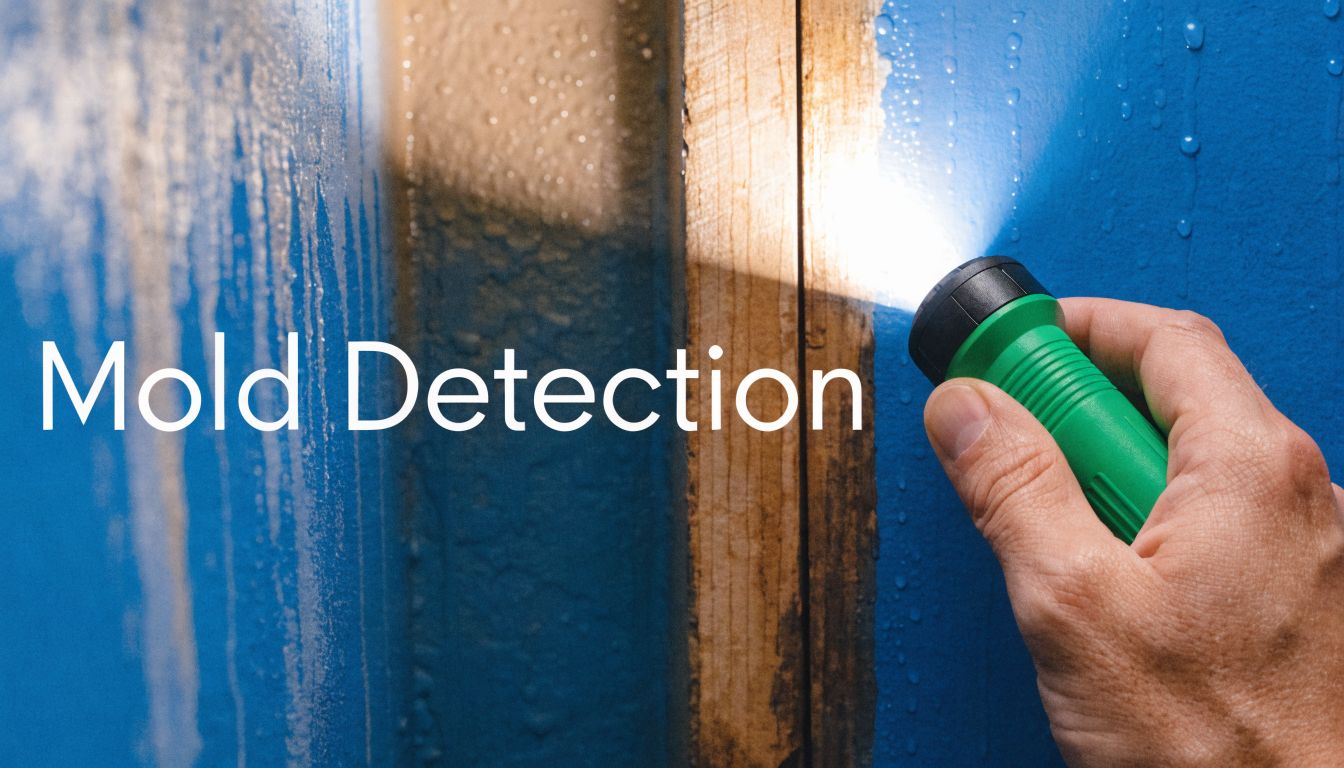
Start with what the building is telling you
A solid mold check begins with recent history. Has there been a leak, overflow, storm intrusion, condensation problem, or flooding event? Mold rarely appears without a moisture source.
Then inspect the areas most likely to trap or hide moisture:
- Look for staining: Water marks, bubbling paint, warped trim, and peeling wallpaper often point to moisture behind the finish.
- Notice odor patterns: A musty smell that worsens when HVAC runs can suggest hidden contamination in ducts, returns, or adjacent materials.
- Check edges and transitions: Under sinks, around windows, behind furniture on exterior walls, and near shower enclosures are common trouble spots.
- Pay attention to basements: If you’ve wondered whether lower-level dampness is affecting air quality, this article on hidden mold or bacterial contamination in basements is worth reviewing.
In dry climates, people sometimes underestimate mold because the outdoor air feels arid. But indoor moisture problems still happen around cooling systems, plumbing, and poorly ventilated rooms. For region-specific context, this piece on mold detection for Tucson homes offers a useful example of how local conditions affect indoor air evaluation.
Why DIY test kits often create more confusion
Many store-bought kits look reassuring because they promise a quick answer. In practice, they often confirm what is already true: mold spores exist in indoor environments. That result by itself doesn’t tell you whether you have an abnormal contamination source, which species matter most, or how far the problem extends.
A DIY plate or swab also won’t tell you much about hidden reservoirs behind walls, inside ceiling cavities, or within HVAC systems. It may produce growth because spores are normal in air. Without context, homeowners can overreact or underreact.
That’s why professionals use the kit, if at all, as a small part of a bigger investigation. The more important questions are where moisture exists, what materials are affected, and whether air movement is spreading contamination.
What professional testing adds
Professional mold assessment may include a visual inspection, moisture mapping, infrared imaging, air sampling, and surface sampling. Each tool answers a different question.
- Moisture meters help locate wet materials.
- Infrared cameras can indicate temperature differences that suggest hidden dampness.
- Air sampling helps compare indoor and outdoor fungal loads or evaluate a suspect zone.
- Surface sampling helps identify growth on a visible material.
Here’s a practical visual explanation of what inspectors and remediators look for during evaluation:
Field insight: Testing is most useful when the result will change the remediation plan, confirm hidden spread, or support documentation for health, legal, or insurance purposes.
When testing is especially useful
Not every visible mold spot needs lab analysis first. If the contamination is obvious and the moisture source is known, many cases move directly to remediation planning.
Testing becomes more valuable when:
- The mold keeps returning: That usually means the moisture source hasn’t been solved.
- The growth is hidden but suspected: Odor, symptoms, or staining may point to a concealed issue.
- HVAC contamination is possible: Air systems can spread spores beyond the original source.
- The building is sensitive: Healthcare, childcare, multifamily, and occupied commercial spaces often need stronger documentation.
- Insurance or liability questions exist: Third-party assessment and moisture records may matter.
Mold Prevention and Immediate Containment Strategies
Preventing mold isn’t about constant deep cleaning. It’s about moisture control. If materials stay dry, mold has a much harder time taking hold.
Immediate containment is different. That’s what you do after you’ve found suspected mold but before a full remediation plan is in place. The goal then is to avoid spreading contamination.
Prevention starts with moisture, not chemicals
Most prevention habits are simple, but they need to be consistent.
- Fix leaks quickly: Roof leaks, plumbing drips, and window intrusion give mold a steady water source.
- Vent humidity-producing areas: Bathrooms, laundry rooms, and kitchens need active exhaust or strong airflow.
- Watch condensation: Cold surfaces near windows, ducts, and exterior walls can stay damp enough for growth.
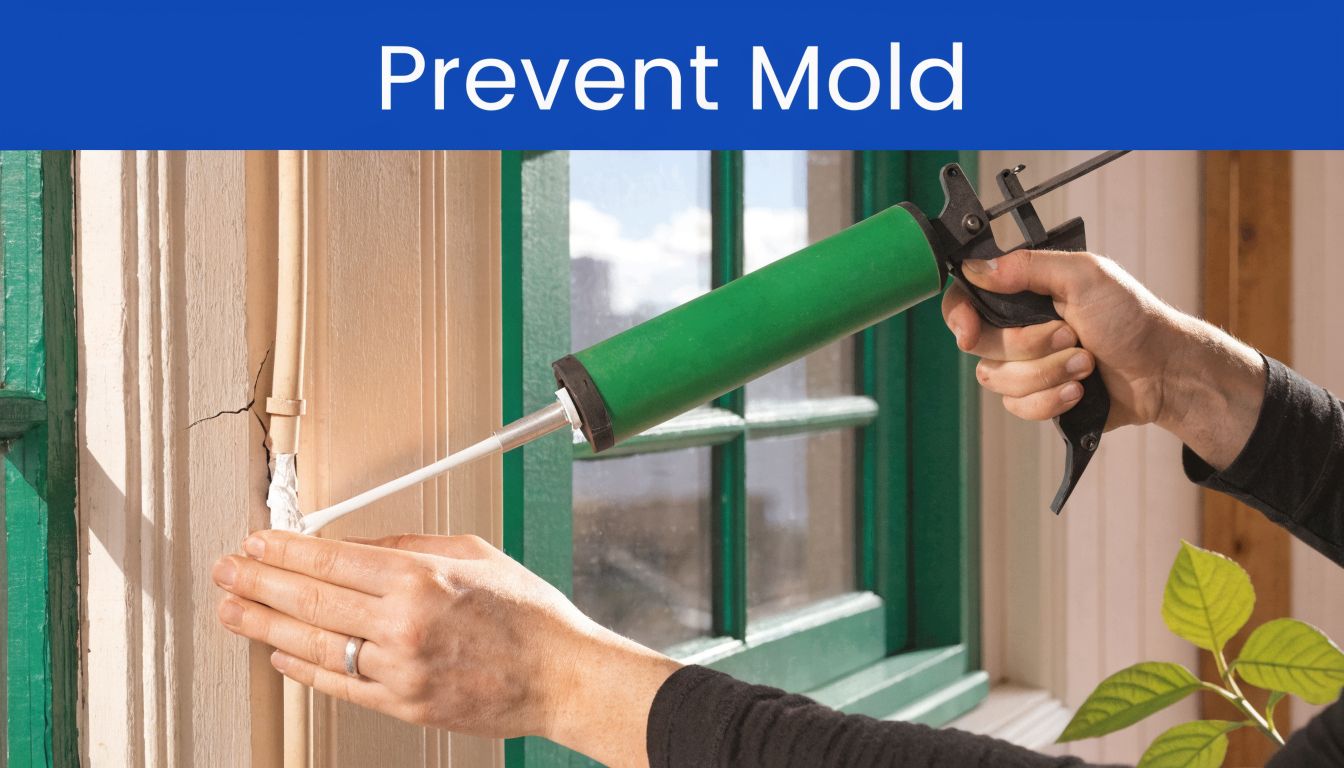
- Maintain the building envelope: Caulking, flashing, and drainage details matter more than most owners realize.
- Inspect after water events: If materials got wet, dry-down and follow-up inspection matter. Don’t assume “looks dry” means “is dry.”
For a broader building-maintenance view, this guide to understanding mold prevention and mitigating risks for healthier homes is a practical reference.
What to do right away if you find mold
If you discover a localized area of suspected mold, resist the urge to attack it aggressively. Scrubbing dry growth, using fans, or tearing into drywall can spread spores and contaminated dust into nearby areas.
A safer immediate response usually looks like this:
- Reduce disturbance. Don’t scrape, sand, or rip out material casually.
- Address active water. If there’s a current leak, stop it if you can do so safely.
- Limit access. Keep children, residents, staff, or tenants away from the area when possible.
- Avoid running air across the colony. Don’t point fans at it, and be cautious with HVAC if contamination may involve returns or ducts.
- Document what you see. Photos, dates, and notes help with remediation planning and insurance.
Where DIY ends
People often ask whether bleach solves mold. On non-porous surfaces, cleaning products may remove visible residue. But many indoor mold problems involve porous materials like drywall, insulation, carpet, ceiling tiles, or wood composites. In those cases, surface cleaning may not reach the embedded growth.
That’s why “it looked better after I wiped it” isn’t a reliable endpoint. If the material stayed wet, if the patch returns, or if the contamination extends into porous assemblies, the issue needs a more controlled response.
If mold is tied to a leak, the true repair is not the wipe-down. It’s moisture correction plus proper remediation of affected materials.
Key Signs You Need Professional Mold Remediation
A small patch under a sink can look manageable. Then you open a return-air grille, lift a stained ceiling tile in an office, or trace a musty odor through a hallway in a clinic, and the problem changes. At that point, you are not deciding whether to clean a surface. You are deciding how to control contamination, protect occupants, and document the response properly.
Some situations call for trained remediation because the risk is no longer limited to what you can see. Mold often behaves like a plant root system. The visible growth is the leaf. The full extent of the issue may extend into drywall, insulation, flooring, duct lining, or other hidden materials that stayed wet long enough to support growth.
Situations that usually require professional intervention
Professional help is usually the safer path in these circumstances:
- The affected area is more than a small isolated patch: Once contamination spreads across a larger section of porous material, cleanup becomes a controlled removal job rather than a wipe-down.
- HVAC components are involved: Growth in ducts, coils, drain pans, liners, or returns can distribute spores and fragments to other parts of the building.
- Mold keeps returning: Recurrence usually means the moisture source, hidden reservoir, or both are still present.
- The building houses higher-risk occupants: Medically fragile residents, patients, older adults, and immunocompromised people need tighter exposure control.
- You suspect hidden spread: Musty odor, staining, soft materials, or repeated leaks often point to contamination inside walls, above ceilings, or below flooring.
- The problem followed flooding or major water damage: Wet assemblies often require coordinated drying, selective demolition, and verification that materials are dry before rebuilding.
Why commercial, industrial, and healthcare buildings need a stricter response
Residential guides often stop at bathrooms, attics, and basements. That leaves out how mold behaves in larger occupied buildings.
In a house, one wet room may stay isolated. In an office, warehouse, school, medical suite, or care facility, the building systems connect spaces that seem separate. Air handling equipment, shared plenums, long duct runs, above-ceiling utility chases, and high occupant traffic can spread contamination farther and faster. A mold issue near an air return or mechanical room can affect conference rooms, exam areas, storage rooms, production areas, and break spaces.
Healthcare and other sensitive environments raise the stakes again. The concern is not just property damage. It is infection control, patient safety, staff exposure, continuity of operations, and documentation that shows the work was handled correctly. Facility managers often need a response that addresses containment, disposal, filtration, occupant communication, and recordkeeping at the same time.
What professional remediation actually includes
A proper remediation project follows a sequence designed to limit spread and remove the source of contamination.
Typical steps include:
- Assessment and scoping: Identify affected materials, moisture pathways, and the likely extent of hidden damage.
- Containment setup: Isolate the work area so disturbed spores and debris do not enter clean spaces.
- Air control measures: Negative pressure and HEPA-filtered air scrubbers reduce migration during removal.
- Selective demolition and removal: Materials that cannot be reliably cleaned, especially porous ones, are removed under controlled conditions.
- Detailed cleaning: Remaining surfaces are cleaned with methods that match the material and the level of contamination.
- Drying and moisture correction: The underlying leak, humidity issue, drainage failure, or condensation problem must be corrected.
- Verification and documentation: Post-work inspection, moisture confirmation, and when appropriate, clearance testing help confirm the area is ready for rebuild or re-occupancy.
For owners who want to reduce the chance of repeat problems, prevention still starts with moisture management. This article on mastering moisture control in homes is a useful companion because condensation, humidity, and unnoticed water intrusion often set the stage for later mold growth.
Professional remediation protects occupants during the work and protects the building after the work.
Documentation matters as much as removal
In occupied properties, especially multifamily, commercial, industrial, and healthcare settings, paperwork is part of the job. Owners and managers may need moisture readings, photo records, containment notes, waste handling records, and post-remediation findings for internal files, tenants, risk managers, regulators, or insurance carriers.
360 Hazardous Cleanup handles mold remediation as a controlled environmental response, including assessment, containment, compliant material handling, and documentation support for homes, commercial properties, industrial sites, and care environments. That matters when the goal is not only to remove mold, but also to show that the work protected people, limited business interruption, and addressed the conditions that allowed growth in the first place.
If the loss may involve a claim, it also helps to understand how carriers evaluate water damage, mold exclusions, and supporting records. This guide explains how to talk to your insurance company about cleanup services, insurance tips, common pitfalls, and what you should know.
Navigating Mold Damage and Your Insurance Policy
Insurance questions usually surface right after the first shock wears off. People want to know whether mold remediation is covered, what documentation they need, and whether the claim should start with the mold itself or with the water event that caused it.
In many cases, coverage depends less on the mold label and more on the cause of loss. If mold results from a sudden, accidental event that the policy covers, such as a burst pipe, there may be a path to coverage. If it developed from long-term humidity, deferred maintenance, or an unresolved leak, coverage is often more limited or excluded.
That distinction matters because the insurer will often want evidence of what happened, when it happened, and what materials were affected. Good documentation helps. Photos, incident timelines, plumber reports, moisture readings, inspection notes, and remediation scopes all make the claim easier to understand.
Professional remediators can help owners organize that information in a format carriers and adjusters can review. That may include moisture mapping, affected-material inventories, containment details, and before-and-after records. If you’re preparing for those conversations, this resource on how to talk to your insurance company about cleanup services, insurance tips, common pitfalls, and what you should know can help you avoid common missteps.
The main point is simple. Don’t wait until the paperwork stage to start documenting. The earlier the event, moisture source, and remediation plan are recorded clearly, the easier it is to advocate for a fair review.
If you’re dealing with suspected mold in a home, rental property, office, warehouse, clinic, or care facility, 360 Hazardous Cleanup can help you move from uncertainty to a documented, safety-focused response. Their team works in high-stress environments where containment, discretion, regulatory compliance, and clear communication matter. That support can be especially valuable when mold is tied to water damage, HVAC contamination, occupant sensitivity, or an active insurance claim.