A contamination discovery usually starts the same way. Someone notices an odor that doesn't belong, a stain that keeps spreading, pooled sewage near a floor drain, suspicious residue after an industrial incident, or a room that no one wants to enter after a traumatic event. Within minutes, the questions stack up. Is it dangerous? Do we evacuate? Who do we call? Will insurance help? Can this shut down the property?
That stress is normal. What matters next is replacing panic with sequence. Contaminated property cleanup isn't ordinary janitorial work. It's a controlled process for protecting people, documenting conditions, containing hazards, complying with disposal rules, and restoring the property to safe use.
Responding to a Contamination Discovery
A property manager opens a maintenance room after a weekend and finds sewage overflow across the floor, damp drywall, and a heavy organic odor pushing into the hallway. Another owner walks into a warehouse after a tenant move-out and sees unlabeled containers, stained concrete, and powder residue near a drain. A family returns home after a medical emergency and realizes the visible damage is only part of the problem. In each case, the first mistake is the same. People assume “cleaning it up” means mops, bleach, fans, and a few trash bags.
It doesn't.
Contaminated property cleanup starts with hazard control, not cosmetic cleaning. You need to think about exposure, migration, documentation, and legal responsibility before anyone starts touching surfaces. Some hazards spread through foot traffic. Some soak into porous materials. Some aerosolize. Some trigger reporting and regulated disposal requirements the moment waste is generated.
The scale of this issue is much larger than most owners realize. In the United States alone, hundreds of thousands of commercial and industrial sites are contaminated, with associated cleanup costs estimated to run into the billions of dollars, and remediation efforts correlate with restored property values, as noted in this EGU summary on contaminated site management.
What to do in the first hour
The immediate goal is to prevent a bad situation from becoming a wider one.
- Limit access: Keep occupants, staff, tenants, and vendors out of the affected area.
- Stop obvious spread: Shut doors, isolate the zone, and avoid moving contaminated contents unless there's an active life-safety issue.
- Document conditions: Take photos and note when the problem was discovered, what was seen, and who was present.
- Call the right trades: If sewage is actively backing up, address the source with professional plumbing for tub backups before remediation crews begin.
- Follow a disciplined checklist: A practical starting point is what to do and not do after discovering a biohazard.
Practical rule: If you don't yet know what the contaminant is, treat the area as controlled space until qualified people assess it.
Owners often feel pressure to “show progress” quickly. Fast isn't the same as effective. The safest path is a calm, documented response that protects health first and property value second. The property can be recovered. The key is not making the contamination footprint larger on day one.
Identifying Common Contamination Types and Risks
Not every contamination event looks dramatic. Some are obvious. Others hide behind paint, under flooring, inside wall cavities, or in a property's operating history. I group most incidents into biological, chemical, and radiological categories because each one changes the cleanup strategy, the personal protective equipment, and the disposal pathway.
Biological hazards
Biological contamination includes sewage intrusion, blood and bodily fluids, decomposition, medical waste, and certain mold conditions. These losses carry two layers of risk. The first is health exposure. The second is cross-contamination from improper handling.
Sewage is a good example. It isn't just dirty water. It can contaminate flooring systems, base of walls, contents, HVAC-adjacent areas, and traffic pathways used during the emergency. Mold creates a different problem. What matters isn't just what you see on a wall, but whether moisture remains active and whether spores have moved into other materials. If that's your concern, this overview of black mold on walls helps owners understand why surface cleaning alone often fails. For broader property-level mold response, some owners also review Property Nation's mold services to understand how structural moisture issues and remediation scope can intersect.
Chemical and industrial contaminants
Chemical contamination can come from fuel releases, solvents, industrial residues, old drums, illegal dumping, asbestos disturbance, methamphetamine production, or historic site use. These cases are often deceptive because visible staining may represent only a fraction of the affected area.
Across Europe, municipal and industrial wastes contribute 38% of soil contamination drivers, followed by the industrial and commercial sector at 34%. Mineral oil and heavy metals account for approximately 60% of soil contamination issues, according to the European Environment Agency indicator review. Those figures track with what remediation teams see in practice. Waste history and industrial use matter. So do storage areas, drains, and floor penetrations.
Radiological concerns and specialty hazards
Radiological contamination is less common in general property management, but it does arise in certain medical, research, and industrial settings. When it does, the response needs specialized assessment, controlled work zones, and tightly documented handling protocols. The same is true for unknown powders, drug lab residues, and mixed-hazard scenes where biological and chemical contamination overlap.
Here's a quick field reference.
Contamination Types and Associated Risks
| Contamination Type | Common Sources | Primary Risks |
|---|---|---|
| Biological | Sewage backups, trauma scenes, unattended death, medical accidents, mold-amplified materials | Infection risk, cross-contamination, odor persistence, unsafe occupancy |
| Chemical | Fuel spills, solvents, industrial residues, asbestos disturbance, drug lab chemicals, stored waste | Toxic exposure, vapor issues, fire risk, regulatory liability, property devaluation |
| Radiological | Medical facilities, research settings, specialty industrial operations | Exposure control complexity, restricted access, specialized disposal and verification |
The contaminant tells you what the cleanup has to accomplish. The source tells you where to look next.
What doesn't work is guessing based on appearance. A faint odor can indicate a larger hidden problem. A cleaned surface can still be unsafe. A competent response starts by identifying the class of contamination and the likely pathways it used to spread.
The Professional Assessment and Remediation Workflow
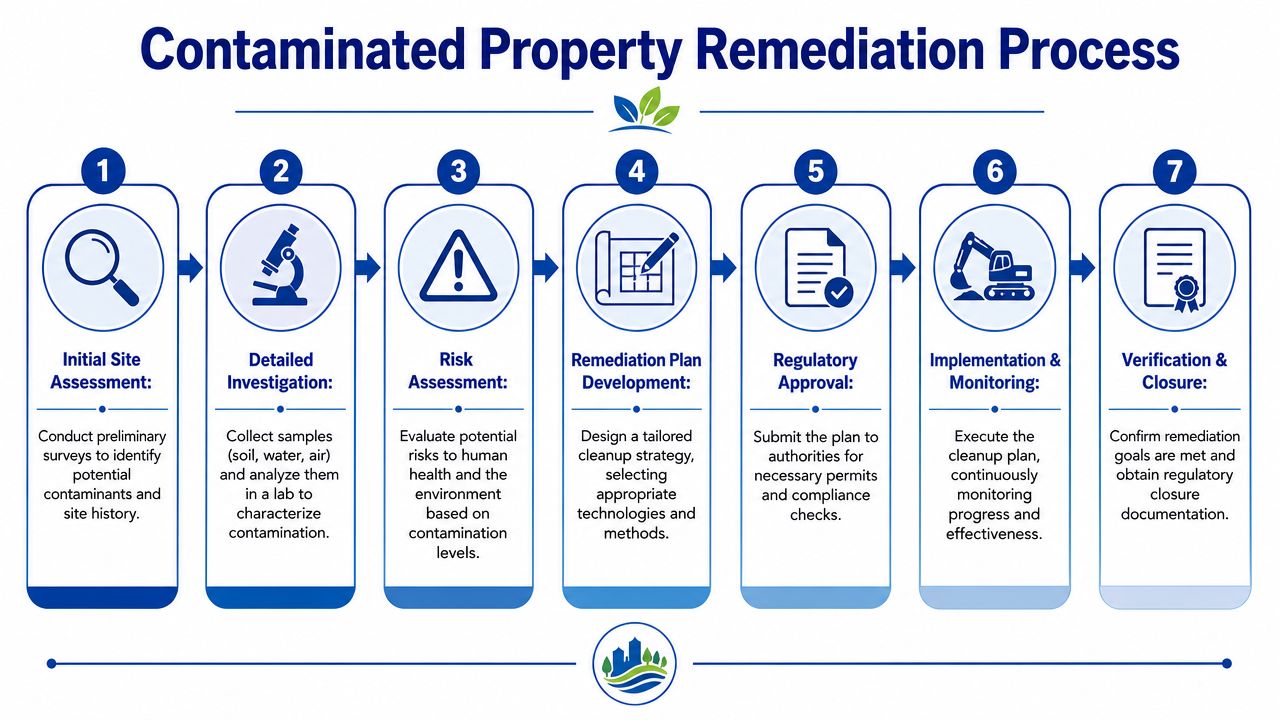
A proper cleanup follows a sequence. Owners don't need to perform that sequence themselves, but they should know what a qualified firm is supposed to do and in what order. That's how you tell the difference between a real remediation contractor and a crew that's only removing visible debris.
From intake to site control
The first phase is intake and stabilization. That means gathering the incident facts, identifying immediate life-safety issues, controlling access, and determining whether the source is still active. In a sewage event, the source may be ongoing. In a trauma or medical event, exposure control comes first. In a chemical situation, crews may need to identify whether there's active vapor, leakage, or incompatible materials on site.
A credible contractor should explain what they know, what they don't know yet, and what has to happen before cleaning starts.
Investigation and scope definition
After site control comes assessment. In environmental work, that may include records review, site history, and targeted sampling. In biohazard work, it often includes mapping affected materials, determining porous versus non-porous impact, and identifying hidden spread behind finishes or inside adjacent rooms.
If contamination is suspected beneath the surface, the scope has to account for that. That's one reason broad “spray and wipe” proposals are a red flag. Professional contaminated property cleanup depends on defining the true footprint, not the visible footprint. Owners who want a plain-language overview of that sequence can review this step-by-step guide to the biohazard cleanup process.
Remediation work in the field
Field work usually includes some combination of:
- Containment setup: Barriers, access control, and negative pressure where appropriate.
- Selective demolition: Removal of impacted porous materials that can't be reliably decontaminated.
- Source removal: Extraction of contaminated debris, waste, residues, and unsalvageable contents.
- Cleaning and decontamination: Detailed treatment of salvageable structural surfaces and contents.
- Drying or environmental control: Moisture management, air control, and monitoring when required.
Shortcuts create future failures. If crews remove damaged material but leave contamination in wall cavities, subfloor seams, or contents staging areas, the property can still fail occupancy expectations later.
Field reality: The most expensive re-cleanups usually come from incomplete scope, not from difficult contaminants.
Verification and closure
The last phase matters as much as the first. A cleaned-looking property isn't enough. Verification establishes whether the remediation objective was met. For biohazard work, post-remediation verification requires surface sampling showing total bacteria counts below 10,000 CFU/cm² with no detection of specific pathogens, and air sampling must demonstrate fungal spore counts not exceeding outdoor ambient levels, confirmed by third-party environmental testing firms, as outlined in these biohazard cleanup standards.
That final documentation protects owners in three ways. It supports re-occupancy decisions, strengthens insurance files, and creates a record that the work was performed to a defensible standard. Without that record, a property owner is often left with invoices but no proof of safety.
Navigating Regulations and Waste Disposal Rules
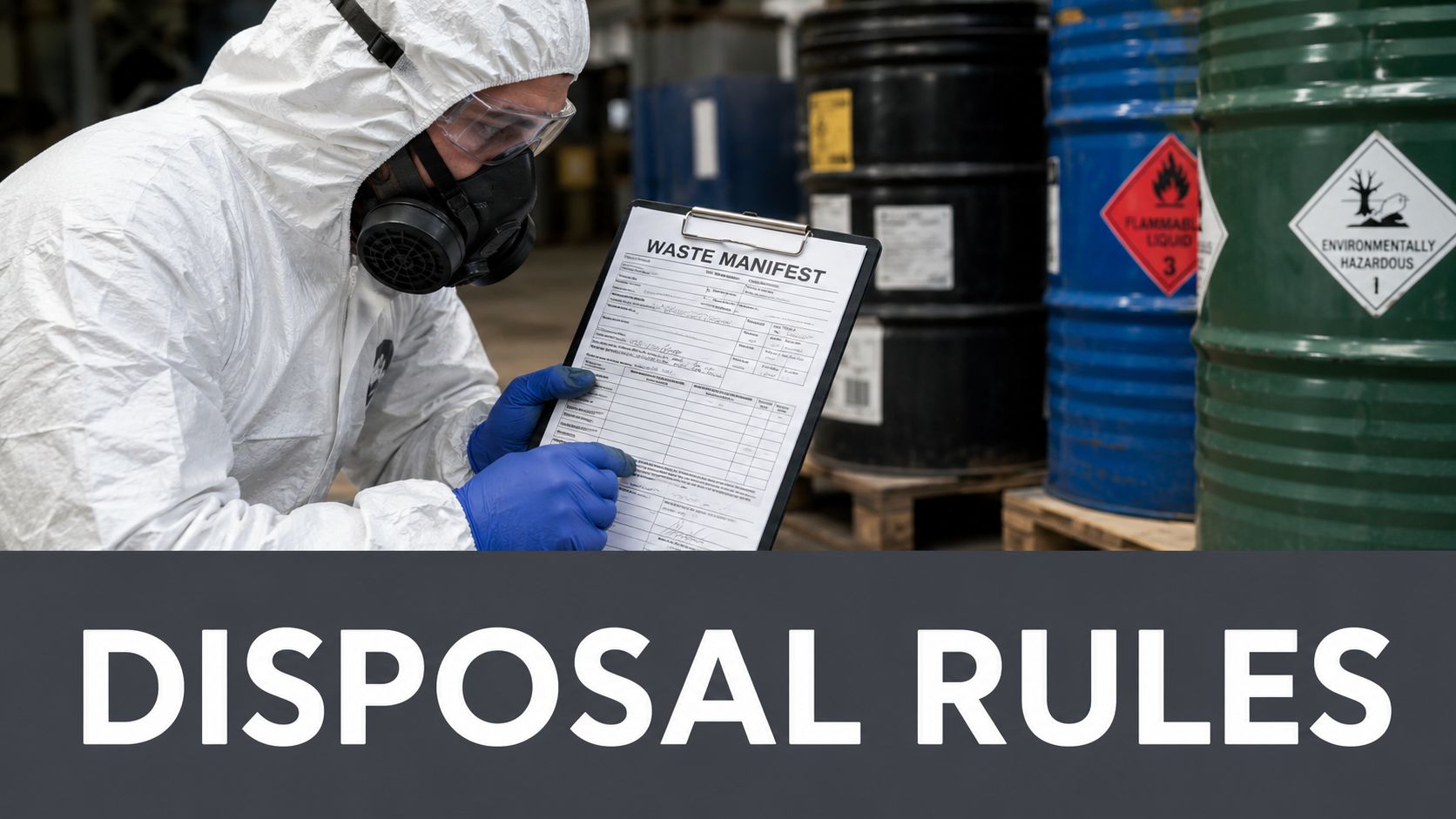
Owners often think the hard part is removing the contamination. Legally, the harder part is removing it correctly. Regulations govern worker safety, exposure control, packaging, transport, storage, manifests, and final disposal. That's why contaminated property cleanup can't be treated like ordinary debris hauling.
Why compliance changes the whole job
The moment a cleanup produces regulated waste, the chain of responsibility becomes serious. The owner, the contractor, the transporter, and the receiving facility all have roles. If waste is mischaracterized, mixed improperly, transported without the right documentation, or dropped at the wrong facility, the problem doesn't end when it leaves the site.
A key distinction between experienced firms and improvised operators lies in their approach. Experienced firms know when a scene calls for a site-specific work plan, when waste streams must be segregated, and when local or state reporting thresholds may apply.
OSHA is not optional
One clear example is worker protection. OSHA's Bloodborne Pathogens Standard (29 CFR 1910.1030) mandates that all workers performing biohazard remediation must follow strict exposure control plans, use calibrated personal protective equipment (PPE), and adhere to specific waste disposal procedures to prevent pathogen transmission, as summarized in this overview of biohazard cleanup requirements tied to OSHA rules.
That matters to owners because unsafe crews create more than employment risk. They can contaminate hallways, elevators, loading docks, dumpsters, and neighboring units. A contractor who can't clearly explain packaging, transport, decontamination of tools, and waste handling shouldn't be on the property.
For owners dealing specifically with regulated biological waste streams, this resource on biohazard waste disposal is worth reviewing before approving any scope.
State standards matter too
Federal rules set the floor. State frameworks often define the actual cleanup benchmarks. New York State Soil Cleanup Guidance and the New Jersey Department of Environmental Protection's minimum remediation standards are examples of site-specific, enforceable benchmarks that affect how a property is evaluated and closed. That's one reason local experience matters. A contractor might know how to clean. That doesn't mean they know how your jurisdiction expects them to document and finish the job.
If a company speaks confidently about “getting rid of it” but can't explain the disposal path and documentation trail, stop the conversation there.
The right contractor reduces legal risk by treating compliance as part of the cleanup itself, not as paperwork to catch up on later.
Insurance and Documentation in Cleanup Claims
A property owner can handle the first shock of contamination and still feel stuck when the invoices start coming in. That is normal. Insurance questions often become the second crisis, especially when the carrier is sorting out whether the work qualifies as emergency mitigation, contamination cleanup, reconstruction, or some mix of all three.
What carriers usually need to see
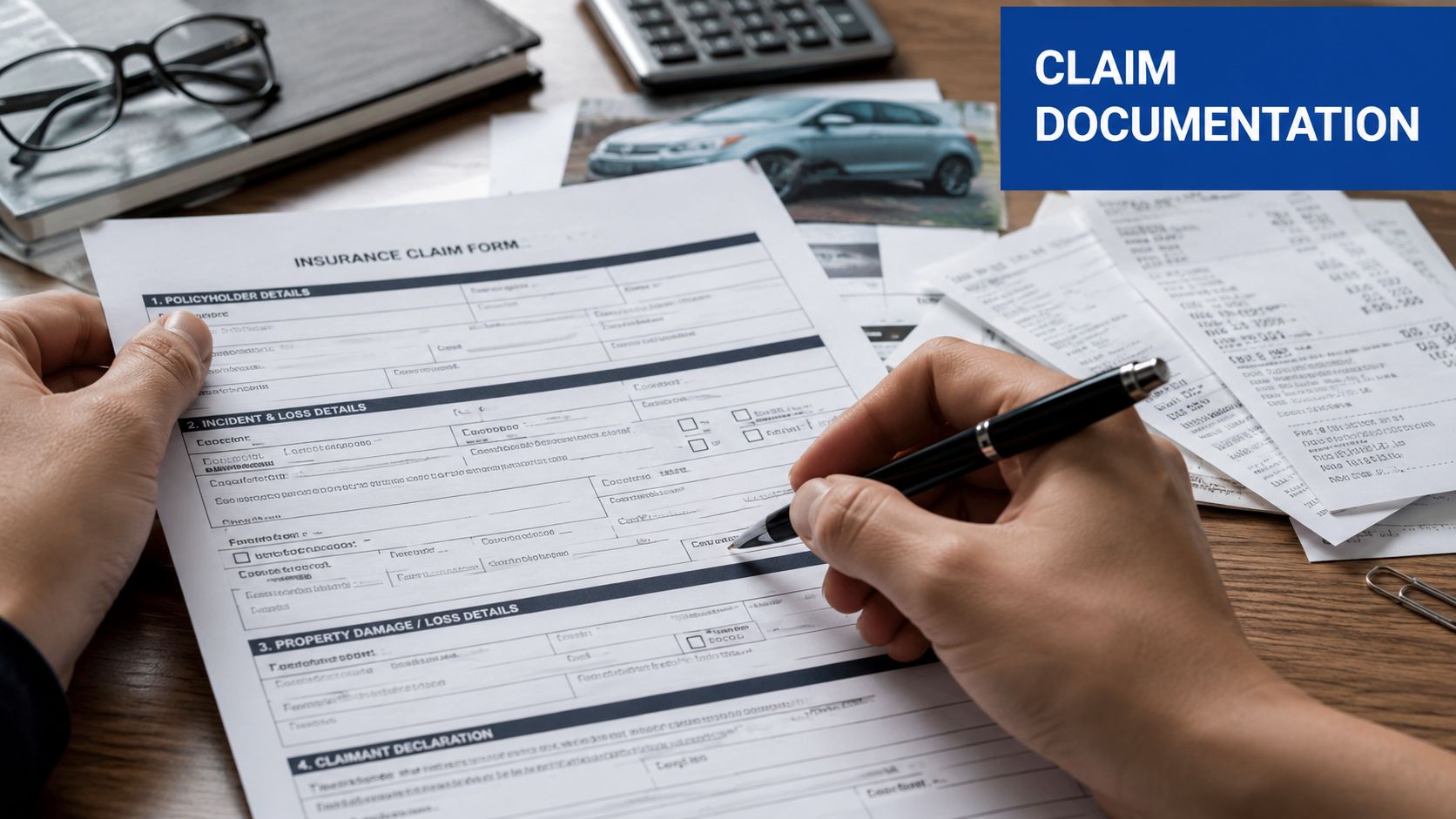
Adjusters need a clear record of condition, cause, and response. In practice, that usually means dated photos, contamination or moisture mapping when relevant, room-by-room notes, contents inventories, labor logs, disposal records, and clearance or post-remediation testing when the scope calls for it.
Those records answer two questions that shape nearly every claim. Why was this work necessary? And was the scope reasonable for the actual condition on site?
If the file is thin, the claim slows down. If the file is organized, the review tends to move faster and with less argument.
The remediation contractor's role in the claim
A good remediation contractor supports the claim with facts, not pressure. The job is to document what was found, explain why containment or selective demolition was required, and show what had to happen immediately to protect occupants or stop the contamination from spreading.
That distinction matters. Carriers often review emergency work differently from planned repairs, so the paperwork needs to show what was urgent, what was investigative, and what belongs in the rebuild scope.
Property owners who want a broader view of policy language can review this overview of California homeowners insurance. For the cleanup side of the conversation, this guide on how to talk to your insurance company about cleanup services, insurance tips, common pitfalls, and what you should know explains the communication problems that commonly stall decisions.
Common Pitfalls for Owners
Owners often weaken their position by making three common mistakes:
- Discarding contents before they are documented: Once damaged items are gone, it becomes harder to show extent, category, and value.
- Signing vague scopes: If the proposal does not identify the affected materials, the cleaning or removal method, and the basis for verification, disputes start early and get expensive.
- Waiting to notify the carrier: Delayed notice can complicate coverage review, inspections, and approval of access or emergency work.
Good paperwork does not create coverage. It protects the coverage position you already have.
The best results usually come from a simple chain of custody for information. Document the condition, notify the carrier, authorize only clearly defined emergency work, and keep every photo, estimate, invoice, manifest, and test result in one place. That approach reduces confusion for everyone involved and gives you a more stable path back to a safe, restored property.
How to Choose a Cleanup Contractor
A contaminated property puts owners under pressure fast. Ten minutes on the phone with the wrong contractor can send the job in the wrong direction. The right company helps you contain risk, document the loss, protect occupants, and finish with a site you can put back into normal use. The wrong one leaves you with an incomplete cleanup, disposal problems, or a dispute over what was done.
Required qualifications
Start with fit for the actual hazard, not the lowest bid.
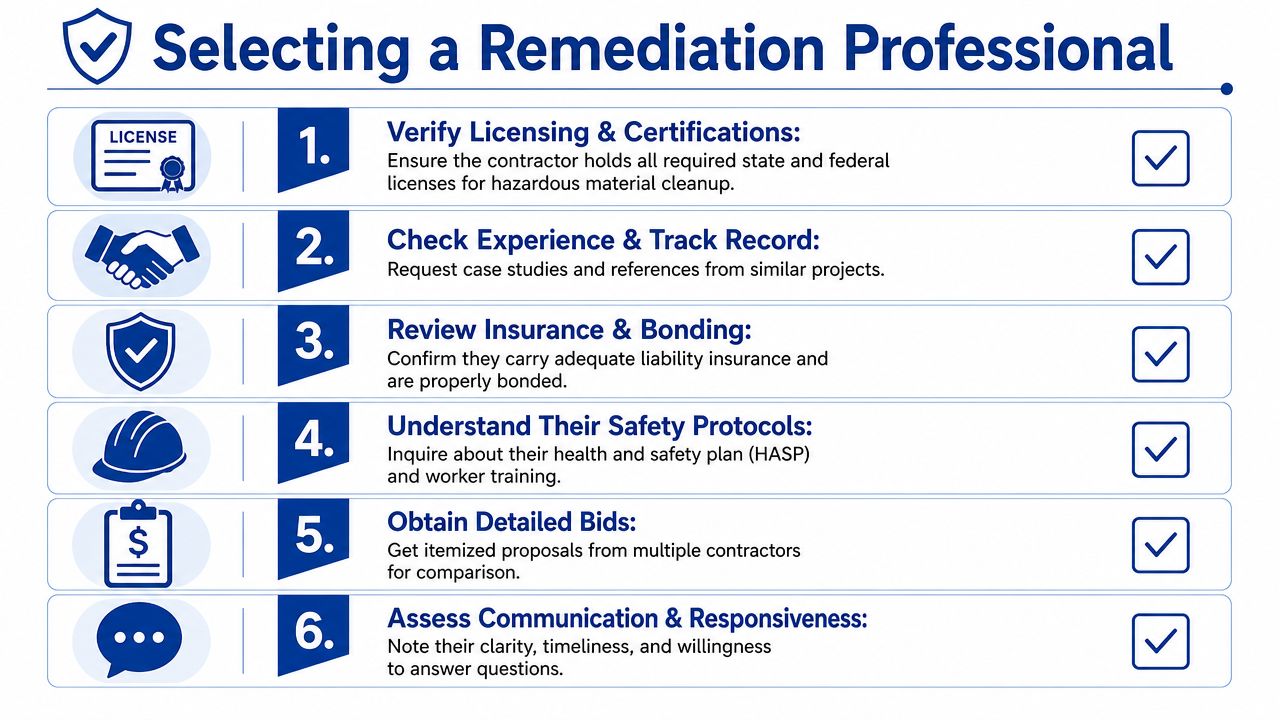
- Licensing and regulatory knowledge: The contractor should know the state and local rules tied to your property type, waste stream, and contaminant.
- Hazard-specific experience: Sewage, trauma scenes, hoarding conditions, chemical residue, and mold do not follow the same cleanup logic.
- Insurance and worker safety procedures: Ask for proof of coverage and ask how the crew is trained, equipped, and medically cleared for hazardous work when required.
- Waste handling and disposal process: A qualified firm should be able to explain packaging, transport, manifests, and final disposal in plain language.
Local knowledge matters because cleanup standards and disposal rules can change from one jurisdiction to the next. A contractor who works your area regularly is less likely to miss a permit, use the wrong disposal channel, or build a scope that fails under review.
Questions to ask on the first call
Ask these questions early to gauge whether the contractor is thinking clearly about risk, scope, and closure:
How will you identify the full contamination footprint?
Good answers mention inspection, moisture or surface testing when appropriate, affected-material mapping, and containment planning.What materials usually have to be removed, and what can sometimes be cleaned?
An experienced contractor can explain why porous materials often carry different risk than hard, cleanable surfaces.Who documents the job, and what will I receive at the end?
You want photos, written scope, change documentation, waste records when applicable, and final job notes or clearance information.How do you handle occupied properties?
In homes, schools, offices, and tenant spaces, privacy, work hours, access control, and odor management matter almost as much as the technical work.Who performs post-remediation verification, if it is needed?
For some losses, independent verification gives owners, tenants, buyers, and carriers more confidence in the result.
What a competent contractor sounds like
A good contractor speaks plainly and sets limits where limits belong. They will tell you what they know, what still needs to be confirmed, and what could change the scope once containment opens the assembly. That is a stronger sign than a fast promise.
Watch for trade-offs in the conversation. If a firm insists everything can be saved, they may be avoiding a hard discussion about odor retention, porous materials, or liability. If they push immediate demolition without explaining why, they may be building a larger job before the assessment is complete. Solid contractors explain the reasoning behind removal, cleaning, disposal, and verification so you can make decisions under stress without guessing.
One of the best questions an owner can ask is, “What can go wrong here if this is handled badly?”
The strongest answers are specific. Cross-contamination. Improper disposal. Missed hidden damage. Incomplete documentation. Unsafe re-occupancy. Those are real risks, and experienced remediation firms treat them that way.
Your Path to a Safe and Restored Property
A contamination event can disrupt a home, a business, a tenant relationship, or an entire operation. It can also make people feel isolated fast. That part is understandable. What helps is remembering that recovery follows a sequence. Secure the site. Identify the hazard. Bring in qualified assessment and remediation. Document everything. Verify the result before normal use resumes.
That process protects more than surfaces. It protects occupants, staff, visitors, insurance position, and long-term property value. It also gives overwhelmed owners something they need right away, which is a workable next step.
Emergency checklist
- Protect people first: Restrict access and keep unprotected occupants out of the affected area.
- Don't disturb the scene: Avoid wiping, sweeping, moving contents, or running fans unless directed by a qualified professional.
- Document early: Take photos, record times, and note what was discovered and by whom.
- Notify the right parties: Contact building leadership, your insurance carrier, and any necessary emergency trade such as plumbing if an active source remains.
- Call a qualified remediation contractor: Choose a company that can assess, contain, document, remediate, and coordinate disposal and verification properly.
A contaminated property doesn't have to stay defined by the event that happened there. With the right response, it can return to safe, functional use. The path back is methodical, compliant, and manageable when the work is handled by professionals who understand both the science and the human side of the crisis.
If you need clear guidance after a contamination event, 360 Hazardous Cleanup provides 24/7 support for biohazard remediation, trauma cleanup, hoarding, mold, industrial accidents, and other hazardous property conditions. Their team works with owners, managers, families, and adjusters to assess the site, document the loss, complete compliant cleanup, and help move the property toward safe re-entry.